 Русский
 English
 Українська
 Deutsch
 Español
 Português
 Türkçe
 中文
中文
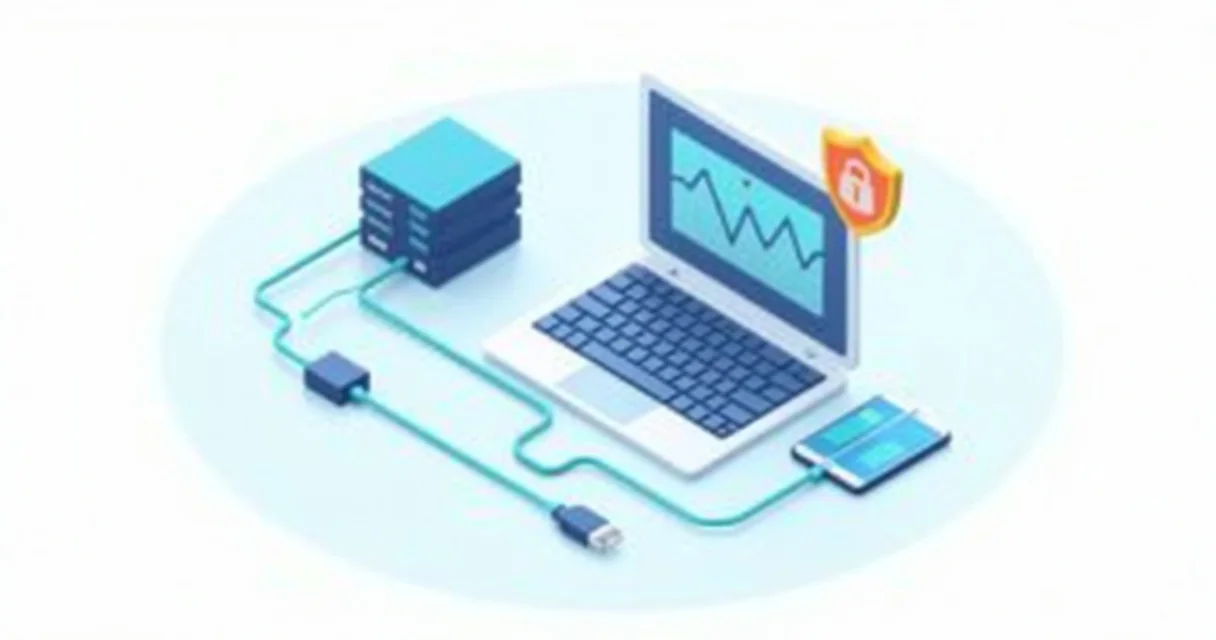
El monitoreo de proxy en tiempo real con webhooks permite una gestión automatizada y orientada a eventos de la infraestructura de scraping, enviando datos críticos de rendimiento directamente a su backend en el momento exacto en que ocurre un evento. Este enfoque sustituye los ineficientes métodos de sondeo (polling) por una arquitectura que activa acciones correctivas inmediatas —como la rotación de IP o el corte de circuito (circuit breaking)— garantizando el máximo tiempo de actividad y eficiencia de costos para proyectos de extracción de datos a gran escala.
El cambio del Polling al monitoreo basado en Webhooks
La gestión tradicional de proxies suele depender del "polling", donde un script cliente solicita periódicamente actualizaciones de estado a la API de un proveedor de proxies. Aunque es funcional para operaciones a pequeña escala, el polling introduce un compromiso fundamental entre la latencia y el consumo de recursos. Si realiza un sondeo cada 60 segundos, potencialmente estará operando a ciegas durante los 59 segundos entre comprobaciones. Si sondea cada segundo, desperdicia un ancho de banda significativo y ciclos de CPU en solicitudes redundantes que usualmente devuelven "sin cambios".
Los webhooks invierten esta relación. En una arquitectura orientada a webhooks, el proveedor de proxy (como GProxy) actúa como emisor y su infraestructura actúa como receptor. Cuando se alcanza un umbral específico —por ejemplo, un pico repentino de errores 403 Forbidden o una caída en la tasa de éxito por debajo del 95%— el proveedor envía una solicitud HTTP POST a su endpoint predefinido. Este modelo de "empuje" (push) asegura que su sistema reaccione en milisegundos, no en minutos.
Para el scraping de nivel empresarial, donde miles de solicitudes concurrentes son el estándar, las ganancias de eficiencia son medibles. Al reducir la sobrecarga de las comprobaciones de estado, su infraestructura puede dedicar más recursos al procesamiento de datos real. Además, los webhooks permiten un monitoreo granular de subusuarios o zonas geográficas específicas, proporcionando un nivel de detalle que el polling global suele omitir.

Métricas principales para la salud del Proxy en tiempo real
Para construir un sistema de monitoreo efectivo, debe identificar qué métricas definen el "rendimiento óptimo" para su caso de uso específico. No todos los fallos de proxy son iguales; un error 407 Proxy Authentication Required requiere una respuesta diferente a un error 429 Too Many Requests.
1. Tasa de éxito y distribución de fallos
El KPI principal para cualquier operación de proxy es la tasa de éxito (Total de solicitudes exitosas / Total de solicitudes). Sin embargo, un porcentaje bruto rara vez es suficiente. Los webhooks en tiempo real deben categorizar los fallos en códigos de estado HTTP específicos:
- 403 Forbidden: A menudo indica que el sitio de destino ha identificado la IP del proxy o la huella digital de la solicitud (TLS, encabezados, etc.).
- 429 Too Many Requests: Una señal clara de que se ha alcanzado el límite de velocidad para una IP específica o un pool de proxies.
- 502/503/504 Gateway Errors: Usualmente apuntan a problemas dentro de la propia red de proxies o del proveedor upstream.
2. Latencia y tiempo de respuesta
La latencia es el asesino silencioso del rendimiento del scraping. Un proxy puede estar "funcional" pero tardar 15 segundos en devolver datos. Los webhooks pueden configurarse para activarse cuando la latencia del percentil 95 (P95) supera un umbral específico (por ejemplo, 2,500ms). Esto permite que su balanceador de carga despriorice temporalmente las regiones lentas en favor de las más rápidas, manteniendo el rendimiento general de su scraper.
3. Ancho de banda y picos de tráfico
Monitorear el consumo de datos en tiempo real es vital para la gestión de costos. Si un scraper entra en un bucle infinito o un sitio de destino cambia su estructura, provocando que devuelva cargas masivas de forma inesperada, un webhook puede alertar a su equipo antes de que se agote el presupuesto diario. Los usuarios de GProxy suelen establecer "límites suaves" a través de webhooks para recibir advertencias al 80% y 90% de su ancho de banda asignado.
Comparación de arquitecturas de monitoreo: Polling vs. Webhooks
La siguiente tabla ilustra por qué las operaciones de datos de alta frecuencia se están moviendo hacia sistemas basados en webhooks para la gestión de proxies.
| Característica | API Polling | Webhooks (Orientado a eventos) |
|---|---|---|
| Tiempo de reacción | Retrasado (determinado por el intervalo de sondeo) | Instantáneo (push en tiempo real) |
| Sobrecarga del servidor | Alta (solicitudes/respuestas constantes) | Baja (solo activo cuando ocurren eventos) |
| Precisión de datos | Basada en instantáneas | Continua/Basada en flujo |
| Complejidad de implementación | Baja (solicitudes GET simples) | Media (requiere endpoint público) |
| Escalabilidad | Pobre (escala linealmente con la frecuencia) | Excelente (escala con el volumen de eventos) |
Implementación de un receptor de Webhooks en Python
Para utilizar el monitoreo en tiempo real, necesita un receptor robusto capaz de manejar las solicitudes POST entrantes del proveedor de proxy. A continuación, se presenta una implementación práctica utilizando el framework Flask. Este script escucha alertas, las registra y activa un hipotético "Corte de Circuito" si la tasa de error supera un umbral de seguridad.
from flask import Flask, request, jsonify
import logging

app = Flask(__name__)

# Configurar logging
logging.basicConfig(level=logging.INFO)
logger = logging.getLogger("ProxyMonitor")

# Umbral para apagado de emergencia
ERROR_THRESHOLD = 0.25  # 25% de tasa de error

@app.route('/gproxy-webhook', methods=['POST'])
def handle_proxy_alert():
    data = request.json

    if not data:
        return jsonify({"status": "error", "message": "No se recibieron datos"}), 400

    event_type = data.get('event')
    metrics = data.get('metrics', {})

    logger.info(f"Alerta de {event_type} recibida para la zona: {data.get('zone_id')}")

    # Lógica para manejar altas tasas de error
    if event_type == 'high_error_rate':
        error_rate = metrics.get('error_rate', 0)
        if error_rate > ERROR_THRESHOLD:
            trigger_circuit_breaker(data.get('zone_id'))

    # Lógica para alertas de ancho de banda
    elif event_type == 'bandwidth_limit_reached':
        notify_admin(f"Ancho de banda crítico: {metrics.get('usage_percent')}% usado")

    return jsonify({"status": "success"}), 200

def trigger_circuit_breaker(zone_id):
    # Lógica para detener el scraper o rotar a un pool de respaldo
    logger.warning(f"CRÍTICO: Corte de circuito activado para {zone_id}. Rotando pool...")

def notify_admin(message):
    # Lógica para enviar una notificación por Slack o correo electrónico
    logger.info(f"Notificación enviada: {message}")

if __name__ == '__main__':
    app.run(port=5000)
En este ejemplo, el endpoint /gproxy-webhook sirve como destino para todas las alertas de rendimiento. Cuando GProxy detecta una anomalía en su tráfico —como un volumen inusual de errores 403— envía la carga útil JSON a esta URL. Su aplicación puede entonces decidir programáticamente si cambiar de proxies residenciales a proxies móviles o simplemente pausar la tarea para evitar que se sigan quemando IPs.
Estrategias avanzadas: Failover automatizado y Corte de Circuito
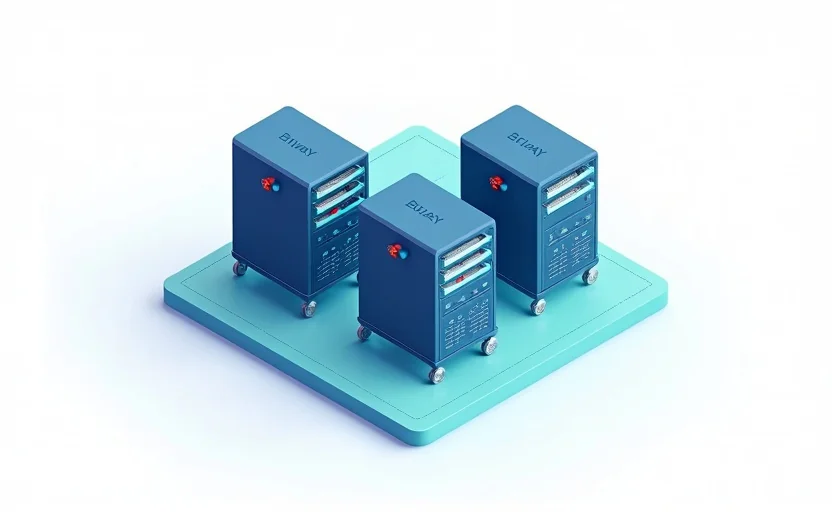
El monitoreo en tiempo real es tan efectivo como las acciones que desencadena. Los usuarios avanzados implementan estrategias de "Failover automatizado" para asegurar que la recolección de datos nunca se detenga, incluso cuando un proveedor de proxy o pool de IPs específico enfrente problemas.
El patrón de Corte de Circuito (Circuit Breaker)
Tomado de la ingeniería de software, el patrón Circuit Breaker evita que un sistema intente repetidamente una acción que es probable que falle. En el contexto de los proxies, si un webhook informa que la tasa de éxito para un objetivo específico (por ejemplo, example.com) ha caído al 10%, el "circuito" se abre. El sistema deja de enviar solicitudes automáticamente a ese objetivo a través del pool de proxies actual durante un período de enfriamiento (por ejemplo, 15 minutos). Esto evita que su cuenta sea marcada por actividad sospechosa y ahorra su saldo de proxy de ser desperdiciado en fallos garantizados.
Reconfiguración dinámica del Pool
Usando webhooks, puede ajustar dinámicamente su configuración de proxy basándose en factores del entorno en vivo. Por ejemplo, si un webhook indica que la latencia para un pool de proxies de EE. UU. Este ha aumentado debido a una interrupción del ISP local, su script de gestión puede actualizar la configuración de su scraper para usar nodos de salida de EE. UU. Oeste o Europa. La API flexible de GProxy permite que estos cambios se realicen sobre la marcha sin reiniciar todo su clúster de scraping.
Integración con herramientas de SIEM y Observabilidad
Para organizaciones que ejecutan operaciones masivas, los datos de los webhooks no deberían vivir solo en un script; deberían integrarse en stacks de observabilidad más amplios como Datadog, Prometheus o ELK (Elasticsearch, Logstash, Kibana). Al canalizar las cargas útiles de los webhooks hacia estas herramientas, puede crear dashboards integrales que visualicen el rendimiento del proxy junto con la salud de su aplicación. Esto permite la referencia cruzada: "¿Nuestro scraper se ralentizó debido a los proxies o porque nuestra base de datos estaba bajo una carga pesada?"
Consideraciones de seguridad para endpoints de Webhooks
Dado que su endpoint de webhook debe ser accesible públicamente para recibir actualizaciones de GProxy, la seguridad es primordial. Un endpoint desprotegido podría ser blanco de actores maliciosos para enviar señales de "fallo" falsas, interrumpiendo potencialmente toda su operación.
- Lista blanca de IPs (IP Whitelisting): Configure su firewall o servidor web (Nginx/Apache) para permitir solo solicitudes POST entrantes desde los rangos de IP conocidos de GProxy. Esta es la primera línea de defensa más simple y efectiva.
- Firmas HMAC: Muchos proveedores premium incluyen una firma HMAC (Hash-based Message Authentication Code) en el encabezado de la solicitud. Su servidor debe calcular el hash utilizando una clave secreta compartida y compararlo con el del encabezado. Si no coinciden, la solicitud se descarta.
- Verificación de Token: Incluya un token único de alta entropía en la URL del webhook (por ejemplo,
/webhook?token=a1b2c3d4...). Aunque no es tan seguro como HMAC, añade una capa de "seguridad por oscuridad" que disuade a los escáneres automatizados básicos.
Conclusiones clave
La implementación del monitoreo de proxy en tiempo real a través de webhooks es un requisito fundamental para escalar las operaciones de web scraping más allá del nivel amateur. Traslada la carga del monitoreo de su infraestructura al proveedor de proxy, permitiendo respuestas instantáneas a la volatilidad de la red y a las defensas de los sitios de destino.
- Los webhooks proporcionan una alternativa de baja latencia y eficiente en recursos al polling de API, permitiendo notificaciones "push" para eventos críticos como bloqueos de IP y picos de latencia.
- La lógica de respuesta automatizada es esencial. Utilice los datos de los webhooks para activar cortes de circuito o rotar pools de proxies programáticamente para mantener una alta tasa de éxito.
- La seguridad no es opcional. Proteja siempre sus endpoints de webhook utilizando listas blancas de IP o verificación de firmas para evitar interferencias no autorizadas en su lógica de scraping.
Consejo práctico 1: Comience configurando un webhook simple para que le alerte cuando su uso de ancho de banda alcance el 50%, 75% y 90%. Esta es la forma más fácil de prevenir interrupciones de servicio inesperadas sin necesidad de una lógica de failover compleja.
Consejo práctico 2: Cuando se active un webhook de "Alta tasa de error", no se limite a rotar IPs. Use los datos del webhook para registrar la URL de destino específica y los encabezados utilizados. A menudo, un pico en los errores 403 es causado por un cambio en el desafío de JavaScript del sitio de destino o en los requisitos de huella digital TLS, no por los proxies en sí.
Leer también

Granja de proxies DIY: Cómo construir y configurar

Integración de API Proxy: Automatización para Desarrolladores

Error 503 y tiempo de espera de proxy: diagnóstico y solución
Error 502 Bad Gateway con proxy: cómo solucionarlo

Error 407 Autenticación de Proxy Requerida: Causas y Solución