
 Русский
 English
 Українська
 Deutsch
 Español
 Português
 Türkçe
 中文
中文
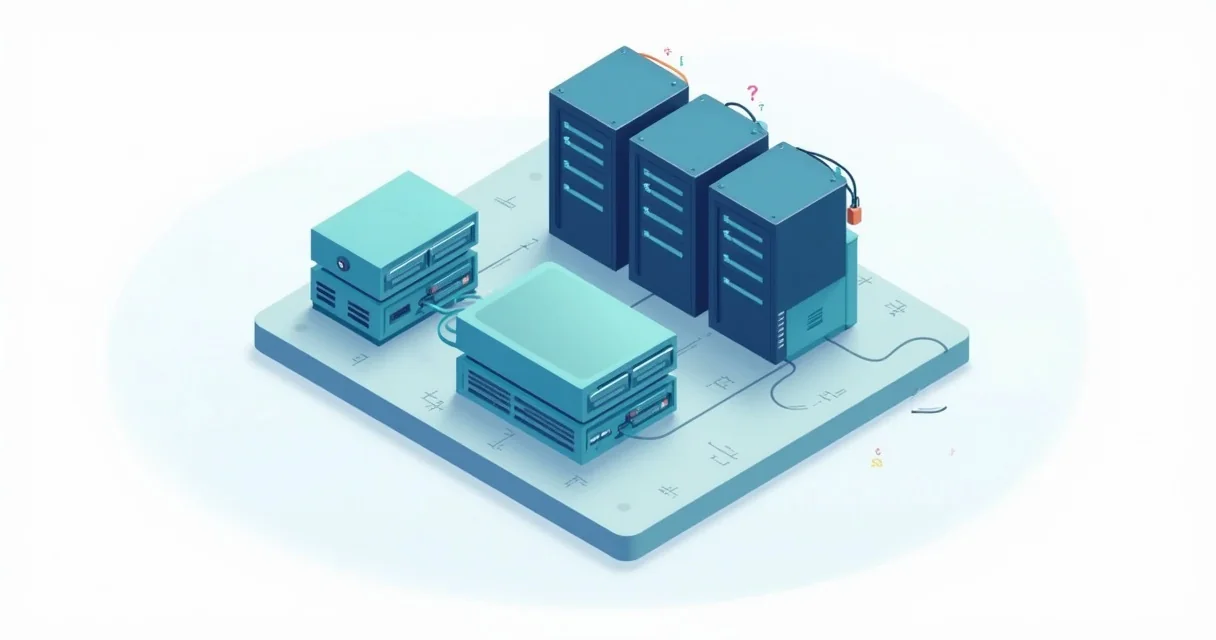
A 502 Bad Gateway error occurs when a proxy server, acting as an intermediary, receives an invalid or unexpected response from the upstream server (the target website) it is trying to access. Resolving this issue requires a systematic check of your proxy authentication, the target server’s current status, and your local network configuration to identify which link in the communication chain has failed.

Understanding the Mechanics of a 502 Error in Proxy Environments
The HTTP 502 status code is part of the 5xx class of server error responses. Unlike a 404 error, which indicates a missing resource, or a 403 error, which indicates a permission denial, the 502 error is specifically about communication failure between two servers. In the context of using a service like GProxy, the proxy server acts as the "gateway." When you send a request, your client talks to the proxy, and the proxy talks to the target website. If the target website sends back a malformed header, terminates the connection prematurely, or sends an empty response, the proxy reports a 502 Bad Gateway to your client.
This error is particularly common in web scraping, automated testing, and high-frequency data collection. It serves as a signal that the hand-off between the proxy layer and the final destination has been interrupted. To fix it, we must analyze the three primary components of the request architecture:
- The Client: Your browser, script, or software making the initial request.
- The Proxy (Gateway): The GProxy server that masks your IP and routes traffic.
- The Upstream (Target): The destination server hosting the data or website you want to reach.
Common Causes of Proxy-Related 502 Errors
Identifying the root cause is the first step toward a permanent fix. While the error message is generic, the underlying triggers are usually specific and repeatable. Most 502 errors when using proxies fall into one of the following categories:
1. Upstream Server Overload or Downtime
The most frequent cause of a 502 error has nothing to do with the proxy itself. If the target website is experiencing a traffic surge or its backend database is lagging, it may fail to respond to the proxy’s request within the allocated timeout window. The proxy waits for a response, receives nothing or a partial packet, and eventually gives up, returning a 502.
2. Web Application Firewalls (WAF) and Anti-Bot Systems
Sophisticated websites use WAFs like Cloudflare, Akamai, or DataDome. These systems are designed to detect automated traffic. If your request pattern looks suspicious—for example, if you are using a data center proxy with a high request frequency—the WAF might drop the connection mid-stream. Because the connection was terminated abruptly by the firewall, the GProxy server perceives this as an "invalid response" and passes a 502 error back to you.
3. Protocol Mismatches
A 502 error can occur if there is a conflict between the proxy protocol (HTTP, HTTPS, SOCKS5) and the target server's expectations. For instance, attempting to force an unencrypted HTTP request through a port expecting strictly encrypted SSL/TLS traffic can result in a handshake failure, triggering a gateway error.
4. DNS Resolution Issues
If the proxy server cannot resolve the domain name of the target website to an IP address, or if the DNS records are currently propagating, the proxy cannot establish a connection. While this sometimes results in a 504 (Gateway Timeout), many proxy configurations will default to a 502 if the DNS server returns an "NXDOMAIN" or a SERVFAIL response.
Technical Troubleshooting Steps
When you encounter a 502 error, follow this structured troubleshooting sequence to isolate and resolve the issue.
- Verify the Target URL: Test the URL without a proxy in a standard browser. If the site is down for everyone, the 502 is legitimate and originates from the website's own infrastructure.
- Check Proxy Authentication: Ensure your GProxy credentials (username and password) or whitelisted IP are correct. Incorrect authentication can sometimes lead to the proxy server rejecting the connection before it even reaches the upstream, though this more commonly results in a 401 or 407 error.
- Switch Proxy Type: If you are using a Data Center proxy and getting 502s, try switching to a GProxy Residential Proxy. Residential IPs are less likely to trigger the aggressive WAF resets that cause invalid responses.
- Adjust Timeout Settings: Increase the timeout in your scraping script. A 502 often occurs because the proxy gives up too early on a slow upstream server.
Fixing 502 Errors in Code (Python Examples)
If you are a developer using Python for automation, you can handle 502 errors gracefully using retry logic. Using the requests library along with urllib3 allows you to implement an exponential backoff strategy, which is the industry standard for dealing with transient gateway errors.
import requests
from requests.adapters import HTTPAdapter
from urllib3.util.retry import Retry

def fetch_with_retry(url, proxy_url):
    session = requests.Session()

    # Define retry logic: retry on 502, 503, 504 errors
    retries = Retry(
        total=5,
        backoff_factor=1,
        status_forcelist=[502, 503, 504],
        raise_on_status=False
    )

    proxies = {
        "http": proxy_url,
        "https": proxy_url
    }

    session.mount("http://", HTTPAdapter(max_retries=retries))
    session.mount("https://", HTTPAdapter(max_retries=retries))

    try:
        response = session.get(url, proxies=proxies, timeout=30)
        if response.status_code == 200:
            return response.text
        else:
            return f"Failed with status: {response.status_code}"
    except Exception as e:
        return f"Request Error: {e}"

# Example usage with GProxy residential endpoint
GPROXY_URL = "http://username:[email protected]:8000"
TARGET = "https://example-target-website.com"
print(fetch_with_retry(TARGET, GPROXY_URL))
In the example above, the status_forcelist=[502, 503, 504] argument ensures that the script doesn't just crash when it sees a Bad Gateway. Instead, it waits and retries, which solves the problem in cases where the 502 was caused by a temporary network hiccup or a rate-limiting "soft block."
Comparing 502 Causes: Proxy vs. Upstream
It is vital to distinguish between a failure in your proxy service and a failure at the destination. The table below outlines the differences in symptoms and solutions.
| Feature | Proxy-Side Issue | Upstream-Side Issue |
|---|---|---|
| Frequency | Consistent across all target domains. | Only occurs on specific websites. |
| Response Time | Immediate (usually < 500ms). | Delayed (proxy waits for upstream). |
| Primary Cause | Authentication or IP whitelisting error. | WAF blocking or server overload. |
| GProxy Solution | Update credentials in the dashboard. | Rotate to a new Residential IP. |
| HTTP Header | "Server: GProxy" or similar. | "Server: cloudflare" or "Server: nginx". |
Advanced Fixes for High-Scale Operations
For users running large-scale data extraction or SEO monitoring, 502 errors can significantly impact success rates. When troubleshooting at scale, consider these advanced configurations:
Header Optimization
An upstream server might return a 502 if your request headers are inconsistent. For example, if you use a modern Chrome User-Agent but do not include the corresponding Sec-Ch-Ua client hints, a WAF may flag the request as "malformed" and drop the connection. Ensure your headers are complete and match the fingerprint of a real browser.
Session Persistence vs. Rotation
If you are using sticky sessions (using the same proxy IP for multiple requests), a 502 might indicate that the specific IP has been flagged by the target's firewall. GProxy allows for easy rotation. If a 502 occurs, your logic should trigger a session change to pull a fresh IP from the residential pool. This resets the connection path and often bypasses the gateway error immediately.
MTU and Packet Fragmentation
In rare technical scenarios, a 502 error is caused by Maximum Transmission Unit (MTU) mismatches. If the packets sent by the proxy are too large for a network node between the proxy and the upstream server, and fragmentation is not allowed, the packet is dropped. This is often seen in complex VPN-over-Proxy setups. Reducing your MTU size to 1400 or 1450 can sometimes stabilize these connections.
Why GProxy Reduces 502 Occurrences
Using a high-quality provider like GProxy is a proactive way to minimize 502 errors. Low-quality or free proxies often have misconfigured Nginx or Squid backends that generate 502 errors internally due to high resource contention. GProxy utilizes a robust, high-availability architecture designed to handle millions of concurrent connections.
Furthermore, GProxy’s massive pool of residential IPs ensures that when an upstream server returns a 502 due to IP-based rate limiting, you have a virtually limitless supply of alternative paths to reach the data. By distributing requests across diverse geographic locations and ISPs, you avoid the "bottleneck" effect that typically leads to gateway failures.
Key Takeaways
- Identify the source: A 502 error is a communication breakdown between the proxy and the website, not necessarily a failure of the proxy itself.
- Check the target: Always verify if the website is accessible without a proxy to rule out general downtime.
- Use Residential IPs: Residential proxies from GProxy are the most effective way to bypass WAFs that trigger 502 errors on data center IPs.
- Implement Retries: Use exponential backoff in your code to handle transient errors automatically.
Practical Tip 1: If you get a 502 error, check the "Server" string in the response headers. If it says "cloudflare," the block is happening at the target website's edge, and you need to rotate your proxy IP or change your User-Agent.
Practical Tip 2: Always set a explicit timeout in your code (e.g., timeout=60). Short default timeouts in some libraries can trigger 502-like behavior by closing the connection while the proxy is still waiting for the upstream response.
View Plans

DIY Proxy Farm: How to Build and Configure
Proxy API Integration: Automation for Developers

503 Error and Proxy Timeout: Diagnostics and Fix
Error 407 Proxy Authentication Required: Causes and Fix
Proxies for Telegram Bots: Setup and Automation