
 Русский
 English
 Українська
 Deutsch
 Español
 Português
 Türkçe
 中文
中文
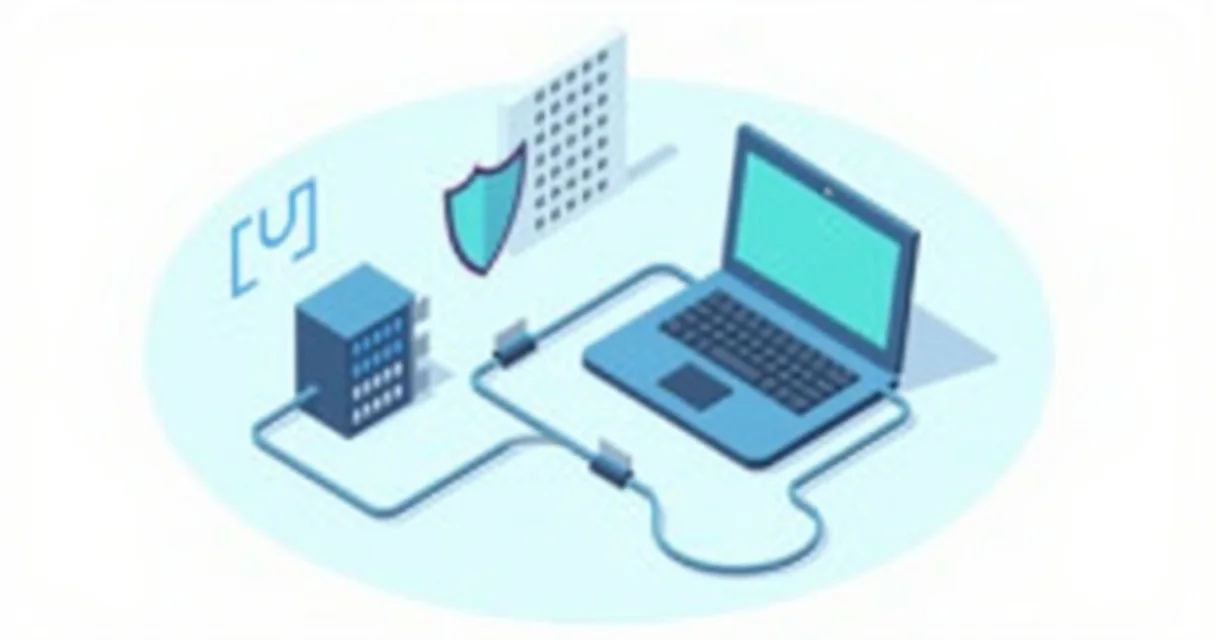
Геотаргетований веб-скрапінг — це процес використання proxy-серверів для витягування даних із вебсайтів, при якому ви виглядаєте як користувач із певного географічного розташування. Ця техніка дозволяє компаніям обходити регіональні блокування, отримувати доступ до локалізованого контенту та збирати точні ринкові дані, які відрізняються залежно від країни, штату чи міста. Маршрутизуючи запити через глобальну мережу GProxy, розробники можуть гарантувати, що їхні скрапери бачать ті самі дані, що й місцевий споживач, що є критично важливим для моніторингу цін, SEO-аналізу та верифікації реклами.
Механіка геолокації та чому це важливо
Вебсайти визначають місцезнаходження відвідувача насамперед за його IP-адресою. Коли запит надходить на сервер, він звіряє IP з базою даних геолокації (такою як MaxMind або IP2Location). Ці бази даних зіставляють діапазони IP-адрес із конкретними фізичними локаціями, включаючи країну, ISP і часто місто або поштовий індекс. Якщо скрапер використовує datacenter IP з Вірджинії для доступу до японського сайту електронної комерції, сайт може відобразити іншу версію сторінки, показати іншу валюту або повністю заблокувати запит, щоб запобігти транскордонному скрапінгу.
Окрім IP-адреси, сучасні вебсайти використовують додаткові сигнали для перевірки місця розташування. До них належать:
- HTTP-заголовки: Заголовок
Accept-Languageповідомляє серверу, якій мові надає перевагу користувач. Невідповідність між німецьким IP та заголовком мовиen-USможе активувати антибот-механізми. - Часовий пояс: JavaScript може використовуватися для визначення місцевого часу браузера. Якщо IP вказує на Лондон, а системний годинник показує тихоокеанський стандартний час, скрапер буде позначений як підозрілий.
- Edge-сервери CDN: Мережі доставки контенту (CDN), такі як Cloudflare або Akamai, спрямовують трафік до найближчого edge-сервера. Якщо запит оминає очікуваний регіональний вузол, він може бути підданий ретельній перевірці.
Для масштабного збору даних точність не підлягає обговоренню. Використання геотаргетованого proxy від GProxy гарантує узгодженість усіх цих сигналів, забезпечуючи безперебійну роботу, що імітує дії легітимного місцевого користувача. Це особливо важливо для «гіперлокального» скрапінгу, де дані різняться навіть між районами одного міста.

Стратегічні сценарії використання геотаргетованого скрапінгу
Потреба в локалізованих даних існує в різних галузях. Без геотаргетингу зібрані дані часто є «загальними» або відображають розташування дата-центру, що рідко буває корисним для конкурентного аналізу.
1. Цінова розвідка в електронній комерції
Великі ритейлери, такі як Amazon, Walmart і Target, використовують моделі динамічного ціноутворення. Ціни на один і той самий товар (SKU) можуть змінюватися залежно від поштового індексу користувача через місцеву конкуренцію, вартість доставки та регіональний попит. Щоб отримати реальну картину ринку, скрапери повинні ротувати proxy у кількох мегаполісах. Наприклад, ритейлер може захотіти порівняти ціну на певний телевізор у Нью-Йорку та Лос-Анджелесі, щоб скоригувати свої регіональні витрати на маркетинг.
2. Моніторинг SEO та SERP
Сторінки результатів пошукової видачі (SERP) є високоперсоналізованими. Пошуковий запит «найкраща піца» в Чикаго дасть зовсім інші результати, ніж той самий запит у Римі. SEO-фахівці використовують геотаргетовані proxy для відстеження рейтингу ключових слів у різних регіонах. Це дозволяє їм контролювати «Local Pack» (результати на карті) і гарантувати, що їхні клієнти видимі для потрібної аудиторії. Residential proxy від GProxy ідеально підходять для цього, оскільки пошукові системи особливо чутливі до діапазонів datacenter IP.
3. Верифікація реклами та комплаєнс
Рекламодавцям необхідно переконатися, що їхні оголошення з’являються на правильних сайтах, у потрібних регіонах і не підміняються («клоакінг»). Рекламне шахрайство часто полягає в показі легітимної реклами користувачам в одній країні, тоді як іншим демонструється шкідливий контент. Використовуючи proxy в різних країнах, бренди можуть перевірити, чи працюють їхні локалізовані кампанії належним чином і чи не компрометується безпека їхнього бренду регіональними зловмисниками.
4. Туризм та готельний бізнес
Авіакомпанії та готелі відомі своїм «регіональним ціноутворенням». Рейс із Лондона до Нью-Йорка може коштувати по-різному при бронюванні з британської IP-адреси порівняно з американською. Агрегатори та туристичні агенції використовують геотаргетовані proxy, щоб знайти найкращі пропозиції для своїх клієнтів, забезпечуючи доступ до всього спектру глобальних пропозицій.
Вибір правильного типу proxy для геотаргетингу
Не всі proxy однакові. Вибір між datacenter, residential та mobile proxy залежить від рівня безпеки цільового сайту та необхідної географічної точності.
| Тип Proxy | Гео-точність | Ризик виявлення | Вартість | Найкраще використання |
|---|---|---|---|---|
| Datacenter | Країна/Регіон | Високий | Низька | Швидкий скрапінг сайтів із низьким захистом. |
| Residential | Місто/ISP/Індекс | Низький | Середня | SEO, E-commerce, скрапінг SERP. |
| Mobile | Оператор/Місто | Дуже низький | Висока | Соцмережі, скрапінг додатків із високим захистом. |
Residential proxies є золотим стандартом для більшості завдань із геотаргетингом. Оскільки ці IP-адреси призначаються інтернет-провайдерами (ISP) реальним домогосподарствам, їх неможливо відрізнити від органічного трафіку. GProxy надає доступ до величезного пулу residential IP, що дозволяє здійснювати детальне таргетування аж до рівня міста. Це важливо для обходу просунутих антибот-рішень, таких як PerimeterX або Akamai, які часто вносять до чорних списків цілі підмережі дата-центрів.

Технічна реалізація: Скрапінг за допомогою Python та GProxy
Впровадження геотаргетингу у ваш скрипт для скрапінгу є досить простим. Більшість провайдерів, включаючи GProxy, дозволяють вказати цільову локацію в рядку автентифікації proxy або через спеціалізовану кінцеву точку API.
Нижче наведено приклад використання бібліотеки Python requests для скрапінгу локалізованої версії сайту за допомогою residential proxy. У цьому сценарії ми таргетуємо конкретне місто (наприклад, Лондон, Великобританія).
import requests

# Дані для доступу до residential proxy GProxy
# Формат: username-country-GB-city-London:password
proxy_host = "proxy.gproxy.com"
proxy_port = "1000"
username = "your_username-country-GB-city-London"
password = "your_password"

proxies = {
    "http": f"http://{username}:{password}@{proxy_host}:{proxy_port}",
    "https": f"http://{username}:{password}@{proxy_host}:{proxy_port}",
}

target_url = "https://www.example-ecommerce.com/product-page"

headers = {
    "User-Agent": "Mozilla/5.0 (Windows NT 10.0; Win64; x64) AppleWebKit/537.36 (KHTML, like Gecko) Chrome/115.0.0.0 Safari/537.36",
    "Accept-Language": "en-GB,en;q=0.9"
}

try:
    response = requests.get(target_url, proxies=proxies, headers=headers, timeout=30)
    print(f"Status Code: {response.status_code}")
    # Перевірка, чи контент локалізований
    if "£" in response.text:
        print("Успішний доступ до британської версії сайту.")
    else:
        print("Контент може бути не локалізований належним чином.")
except Exception as e:
    print(f"Помилка: {e}")
Обробка Sticky Sessions проти Rotating Proxies
Під час скрапінгу ви повинні обрати між rotating proxies (ротаційними) та sticky sessions (сесіями з фіксованою IP). Якщо ви збираєте дані з тисяч окремих сторінок товарів, ротаційний proxy (де кожен запит отримує новий IP) є ефективнішим і його важче відстежити. Однак, якщо вам потрібно виконати багатоетапну дію, наприклад, додати товар у кошик і перейти до оформлення замовлення, вам потрібна sticky session. Вона гарантує, що ви зберігаєте ту саму IP-адресу протягом певного часу (наприклад, 10–30 хвилин), запобігаючи виходу із системи або очищенню даних сесії через зміну IP.
Подолання складних антибот-заходів
Разом із розвитком технологій скрапінгу вдосконалюється і захист. Вебсайти тепер використовують поведінковий аналіз та цифровий відбиток браузера (fingerprinting) для ідентифікації ботів. Навіть з ідеальним геотаргетованим IP скрапер може бути викритий, якщо його «відбиток» є непослідовним.
- TLS Fingerprinting: Вебсайти аналізують спосіб, у який ваш клієнт (наприклад, Python
requestsабоurllib) ініціює TLS-рукостискання. Щоб обійти це, використовуйте бібліотеки на кшталтcurl_cffiабоhttpx, які можуть імітувати TLS-рукостискання реального браузера, як-от Chrome. - Узгодженість заголовків: Якщо ваш proxy знаходиться в Парижі, а заголовок
Accept-Languageвстановлено наzh-CN(китайська), ви, швидше за все, будете заблоковані. Завжди узгоджуйте заголовки з локацією вашого proxy. - Виконання JavaScript: Багато сайтів використовують проміжні сторінки (наприклад, 5-секундна перевірка Cloudflare). У таких випадках простого HTTP-клієнта недостатньо. Вам може знадобитися браузер без графічного інтерфейсу (headless), такий як Playwright або Selenium, у поєднанні з residential IP від GProxy, щоб виконати JavaScript і пройти перевірку.
- Canvas Fingerprinting: Це передбачає малювання прихованого зображення в браузері для ідентифікації конфігурації апаратного та програмного забезпечення. Використання плагінів «stealth» для Playwright допоможе рандомізувати ці значення.
Найкращі практики для глобального збору даних
Щоб підтримувати високий рівень успіху та уникати блокувань IP, дотримуйтесь цих галузевих стандартів:
- Дотримуйтесь Robots.txt: Хоча це не є юридично обов'язковим у всіх юрисдикціях, дотримання robots.txt допомагає залишатися непомітним і уникати юридичних ускладнень.
- Впроваджуйте випадкові затримки: Ніколи не надсилайте запити через фіксований інтервал. Використовуйте «jitter» (випадкову затримку) від 2 до 10 секунд, щоб імітувати поведінку людини.
- Моніторьте стан proxy: Регулярно перевіряйте відсоток успішних запитів ваших proxy. Якщо певний регіон (наприклад, Німеччина) починає повертати помилки 403 Forbidden, можливо, настав час ротувати цей пул або перевірити конфігурацію заголовків.
- Використовуйте локалізовані User-Agents: Деякі сайти пропонують різні макети для мобільних і десктопних користувачів. Підбирайте User-Agent відповідно до типу пристрою, який ви хочете імітувати.
GProxy спрощує цей процес, пропонуючи механізм автоматичної ротації. Замість того, щоб вручну керувати тисячами IP, ви підключаєтеся до однієї точки входу, а система бере на себе логіку ротації та геотаргетингу на бекенді. Це зменшує складність вашого коду та підвищує довговічність вашої інфраструктури для скрапінгу.
Основні висновки
Геотаргетований веб-скрапінг — це вже не розкіш, а необхідність для будь-якої організації, що працює з даними на глобальному ринку. Використовуючи residential proxies, ви можете обійти регіональні обмеження та отримати доступ до тих самих даних, що й місцеві користувачі по всьому світу.
- Практична порада 1: Завжди узгоджуйте ваші HTTP-заголовки
Accept-LanguageтаRefererз географічним розташуванням вашого proxy, щоб мінімізувати ризик виявлення. - Практична порада 2: Для сайтів із потужним антибот-захистом надавайте перевагу residential або mobile proxy замість datacenter IP, навіть якщо їхня вартість вища, щоб забезпечити кращий ROI завдяки вищому відсотку успішних запитів.
- Практична порада 3: Використовуйте sticky sessions для багатосторінкових процесів і ротаційні proxy для масштабних завдань із витягування даних з окремих сторінок.
Завдяки надійній мережі GProxy та технічним стратегіям, викладеним у цьому посібнику, ви зможете побудувати стійку архітектуру для скрапінгу, здатну збирати точні локалізовані дані з будь-якого куточка світу.
Читайте також

Проксі для Facebook Ads: запуск реклами з будь-якої локації
Проксі для Twitch: стрімінг та накрутка переглядів

Проксі для арбітражу трафіку: мультиакаунтинг та клоакінг

Проксі для ШІ: доступ до ChatGPT, Midjourney, Claude

Проксі для email-маркетингу та масових розсилок