
 Русский
 English
 Українська
 Deutsch
 Español
 Português
 Türkçe
 中文
中文
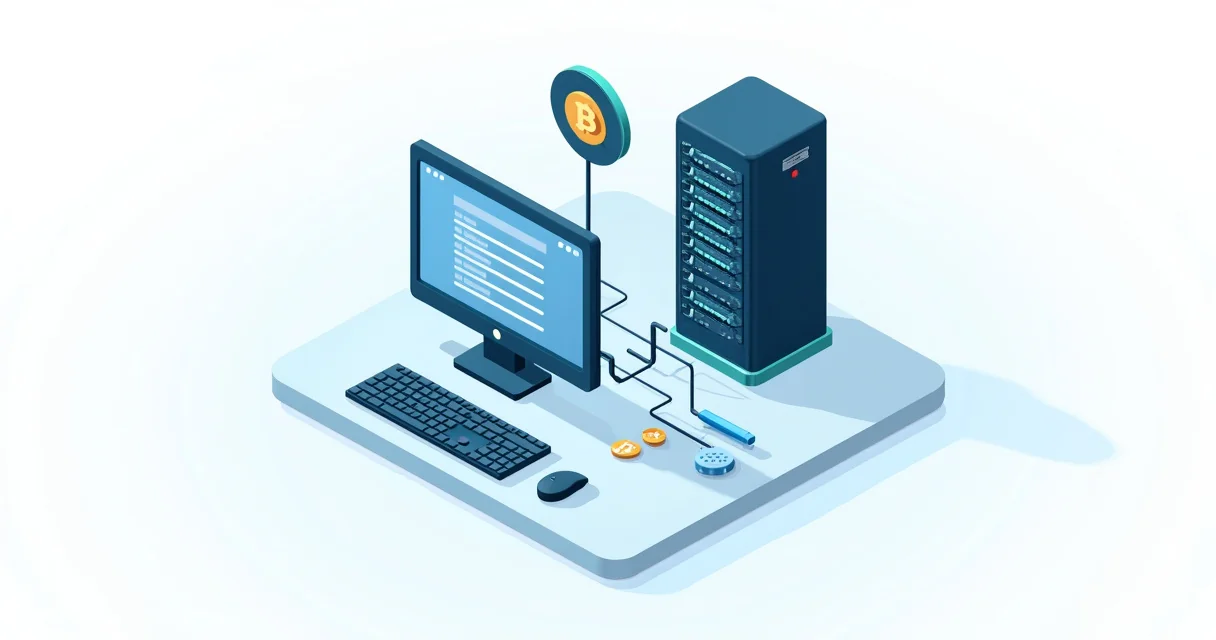
Проксі для криптовалютних операцій слугують основним рівнем захисту та нападу для трейдерів, забезпечуючи анонімність, необхідну для мультиакаунтингу, та локалізовану присутність для обходу географічних обмежень на основних біржах. Використовуючи високоякісні residential та datacenter проксі, користувачі можуть керувати сотнями профілів для аірдропів, виконувати високочастотні арбітражні угоди з мінімальною затримкою та отримувати доступ до глобальних пулів ліквідності незалежно від свого фізичного розташування.
Механіка криптоарбітражу та оптимізація затримки
У криптовалютному арбітражі маржа прибутку часто криється в мілісекундах між появою розбіжності в ціні на одній біржі та її коригуванням ринком. Арбітражники шукають цінові розриви між парами, такими як BTC/USDT на Binance, порівняно з тією ж парою на Coinbase або децентралізованих біржах (DEX), таких як Uniswap. Щоб успішно виконувати такі угоди, ваша інфраструктура повинна бути якомога ближче до механізму зіставлення ордерів (matching engine) біржі.
Проксі сприяють цьому, забезпечуючи «точку присутності» в тому ж регіоні, де розташовані дата-центри біржі. Наприклад, якщо біржа розміщує свої сервери в AWS Tokyo (ap-northeast-1), трейдер у Лондоні зіткнеться з часом затримки (RTT) приблизно у 200 мс. Використовуючи datacenter проксі GProxy, розташований у Токіо, трейдер може розмістити свого бота для виконання угод на локальному сервері та спрямувати трафік через локальну IP-адресу, знизивши затримку до рівня менше 10 мс.
Типи арбітражу, що підсилюються проксі
- Міжбіржовий арбітраж: Купівля активу на біржі А та продаж на біржі Б. Проксі запобігають обмеженню частоти запитів (rate-limiting) вашої IP-адреси, коли бот активно звертається до API для отримання даних книги ордерів у реальному часі.
- Трикутний арбітраж: Використання цінових різниць між трьома різними активами на одній біржі (наприклад, BTC/ETH, ETH/SOL, SOL/BTC). Проксі дозволяють паралелізувати запити через кілька акаунтів, щоб обійти ліміти API для окремих облікових записів.
- Статистичний арбітраж: Використання історичних даних та математичних моделей для пошуку кореляцій. Високошвидкісні проксі дозволяють швидко збирати (scraping) історичні дані з десятків платформ одночасно.
Мультиакаунтинг для аірдропів та IDO
Фармінг аірдропів перетворився з простого завдання на складну індустрію. Проєкти тепер використовують просунуті анти-Sybil механізми, щоб відфільтрувати «промислових» фермерів і винагородити лише «органічних» користувачів. Атака Sybil відбувається, коли один користувач створює кілька ідентичностей, щоб отримати непропорційний вплив або винагороду. Щоб протидіяти цьому, проєкти аналізують ончейн-дані та офчейн-метадані, зокрема IP-адреси.
Якщо ви керуєте 50 гаманцями Metamask і взаємодієте з dApp (наприклад, LayerZero або zkSync) з однієї IP-адреси, ваші акаунти будуть згруповані в кластер і дискваліфіковані. Високоякісні residential проксі — єдине рішення в цій ситуації. На відміну від datacenter IP, residential IP призначаються інтернет-провайдерами (ISP) реальним домогосподарствам, що робить їх невідрізними від справжніх користувачів.
Як уникнути мітки «Sybil»
- Ізоляція IP: Призначте унікальний статичний residential проксі кожному профілю браузера. Інструменти, такі як AdsPower або Dolphin{anty}, інтегровані з GProxy, дозволяють підтримувати стабільний цифровий відбиток.
- Симуляція поведінки: Не виконуйте транзакції на всіх 50 акаунтах одночасно. Використовуйте проксі, щоб розподілити дії в різних часових поясах.
- Географічна послідовність: Якщо ваші акаунти Twitter/X та Discord були створені з американської IP-адреси, ваші взаємодії з гаманцем також мають відбуватися через проксі США, щоб не викликати спрацювання систем безпеки.
Обхід гео-обмежень бірж та IP-банів
Централізовані біржі (CEX) стають дедалі фрагментованішими через глобальне регулювання. Користувачі в певних юрисдикціях можуть виявитися заблокованими для певних функцій, таких як торгівля ф'ючерсами, продукти з високим плечем або навіть для всієї платформи (наприклад, Binance.com проти Binance.us). Крім того, біржі часто накладають «тіньовий бан» або обмежують швидкість IP-адрес, які демонструють ознаки автоматизованої поведінки.
Проксі дозволяють трейдерам зберігати доступ до глобальної ліквідності. Однак використання стандартного VPN часто є недостатнім, оскільки системи безпеки бірж ведуть бази даних відомих вихідних вузлів VPN. Коли IP позначається як «комерційний VPN», біржа може ініціювати обов'язкове повторне проходження KYC (Know Your Customer) або заморозити акаунт. Статичні residential проксі (ISP проксі) є золотим стандартом у цьому випадку, оскільки вони забезпечують стабільність фіксованої IP-адреси з репутацією домашнього користувача.
| Варіант використання | Рекомендований тип проксі | Основна перевага | Рівень ризику |
|---|---|---|---|
| API трейдинг / Арбітраж | Datacenter | Найнижча затримка / Висока швидкість | Помірний (IP може бути позначено) |
| Фармінг аірдропів | Ротаційні Residential | Висока анонімність / Стійкість до Sybil | Низький |
| Управління акаунтами CEX | Статичні Residential (ISP) | Послідовність / Оцінка довіри | Дуже низький |
| Скрапінг даних DEX | Мобільні проксі | Найвища довіра / Найважче заблокувати | Низький |

Технічна реалізація: Використання проксі з Python та CCXT
Для розробників, які створюють автоматизованих торгових ботів, бібліотека ccxt є галузевим стандартом для взаємодії з криптобіржами. Інтеграція проксі у ваш робочий процес є простою, але вимагає ретельної обробки автентифікації та типів протоколів (HTTP проти SOCKS5).
Наступний приклад демонструє, як ініціалізувати клієнт Binance за допомогою проксі на Python. Це налаштування має вирішальне значення для уникнення помилок 429 «Too Many Requests» під час високочастотного опитування даних.
import ccxt
import requests

# Дані доступу GProxy
proxy_user = 'your_username'
proxy_pass = 'your_password'
proxy_host = 'proxy.gproxy.com'
proxy_port = '1000'

# Формування URL проксі
proxy_url = f'http://{proxy_user}:{proxy_pass}@{proxy_host}:{proxy_port}'

# Конфігурація біржі з проксі
exchange = ccxt.binance({
    'apiKey': 'YOUR_API_KEY',
    'secret': 'YOUR_SECRET_KEY',
    'proxies': {
        'http': proxy_url,
        'https': proxy_url,
    },
    'enableRateLimit': True,
})

try:
    # Отримання балансу для перевірки з'єднання
    balance = exchange.fetch_balance()
    print(f"З'єднання встановлено. Баланс BTC: {balance['total']['BTC']}")
except Exception as e:
    print(f"Помилка з'єднання: {e}")
При масштабуванні до сотень потоків ефективніше використовувати ротатор проксі. Замість жорсткого кодування однієї IP-адреси, ви спрямовуєте свій скрипт на адресу шлюзу, надану GProxy, яка автоматично змінює вашу вихідну IP-адресу для кожного запиту або сесії. Це особливо корисно для скрапінгу пулів ліквідності децентралізованих бірж, де ліміти запитів є дуже суворими на рівні RPC (Remote Procedure Call).
Питання безпеки та управління ризиками
Хоча проксі надають значні переваги, їх слід використовувати з пріоритетом на безпеку. У світі крипто витік IP може призвести не лише до блокування акаунта, а й до компрометації приватних ключів, якщо ви використовуєте небезпечні «безкоштовні» списки проксі, знайдені в мережі.
Небезпека безкоштовних проксі
Безкоштовні проксі часто є «пастками» (honeypots), створеними для проведення атак Man-in-the-Middle (MITM). Оскільки провайдер проксі знаходиться між вашим пристроєм і біржею, він теоретично може перехоплювати незашифрований трафік. Хоча більшість трафіку бірж зашифрована через TLS/SSL, зловмисний проксі може спробувати знизити рівень захисту вашого з'єднання або реєструвати ваші метадані, щоб ідентифікувати ваше фізичне місцезнаходження. Завжди використовуйте надійного провайдера, такого як GProxy, який гарантує шифрування даних і не реєструє ваш трафік.
Витік IP та WebRTC
Навіть з високоякісним проксі ваша реальна IP-адреса може просочитися через браузер за допомогою WebRTC (Web Real-Time Communication). Це поширена помилка фермерів аірдропів. Щоб запобігти цьому, ви повинні:
- Вимкнути WebRTC у налаштуваннях браузера або використовувати антидетект-браузер.
- Переконатися, що ваш проксі підтримує SOCKS5 для кращої обробки UDP-трафіку.
- Використовувати скрипт «Kill Switch», який зупиняє роботу вашого торгового бота, якщо з'єднання з проксі розривається.
Еволюція антифрод-систем у Web3
Сучасні криптоплатформи переходять до концепцій «Proof of Personhood» (підтвердження особистості) та «Reputation Scores» (рейтингів репутації). Наприклад, Gitcoin Passport та Linea Park використовують різні маркери, щоб визначити, чи є користувач ботом. Ці системи перевіряють «вік» та «репутацію» IP-адрес, що використовуються під час взаємодії. Якщо ви використовуєте вживану datacenter IP, яка вже була помічена тисячами інших ботів, ваш рейтинг репутації впаде.
Ось чому Residential проксі більше не є опціональними для серйозних криптоентузіастів. Використовуючи IP, що належать до легітимних житлових пулів, ви успадковуєте «чисту» репутацію звичайного домашнього користувача. Для операцій з високими ставками, таких як потрапляння у вайтлісти IDO (Initial DEX Offering), де з мільйонів обирають лише кілька сотень переможців, наявність чистої IP значно підвищує ваші шанси на проходження початкових автоматизованих фільтрів.
Ключові висновки
Використання проксі в криптосфері — це баланс між швидкістю, анонімністю та репутацією. Незалежно від того, чи змагаєтеся ви за прибуток від арбітражу, чи фармите наступний великий аірдроп, якість вашої IP-адреси так само важлива, як і якість вашого коду чи стратегії.
- Для арбітражу: Використовуйте Datacenter проксі, розташовані в тому ж місті, що й сервери біржі, для мінімізації затримки.
- Для аірдропів/мультиакаунтингу: Використовуйте Residential проксі, щоб уникнути виявлення Sybil-алгоритмами та забезпечити кожному акаунту унікальний цифровий відбиток.
- Для доступу до бірж: Використовуйте статичні Residential (ISP) проксі для підтримки стабільного, надійного місцезнаходження та уникнення прапорців «підозрілого входу».
Практична порада 1: Завжди тестуйте налаштування проксі спочатку з невеликим капіталом. Переконайтеся, що біржа правильно розпізнає локацію і що в налаштуваннях безпеки вашого акаунта не з'являються несподівані сповіщення про подорожі.
Практична порада 2: При фармінгу аірдропів узгоджуйте локацію проксі з вашими акаунтами в соціальних мережах. Якщо ваш Discord був зареєстрований у Німеччині, використовуйте німецький проксі від GProxy для всіх подальших взаємодій, пов'язаних з цим конкретним профілем аірдропу.
Читайте також

Проксі для Facebook Ads: запуск реклами з будь-якої локації
Проксі для Twitch: стрімінг та накрутка переглядів

Проксі для арбітражу трафіку: мультиакаунтинг та клоакінг

Проксі для ШІ: доступ до ChatGPT, Midjourney, Claude

Проксі для email-маркетингу та масових розсилок