
 Русский
 English
 Українська
 Deutsch
 Español
 Português
 Türkçe
 中文
中文
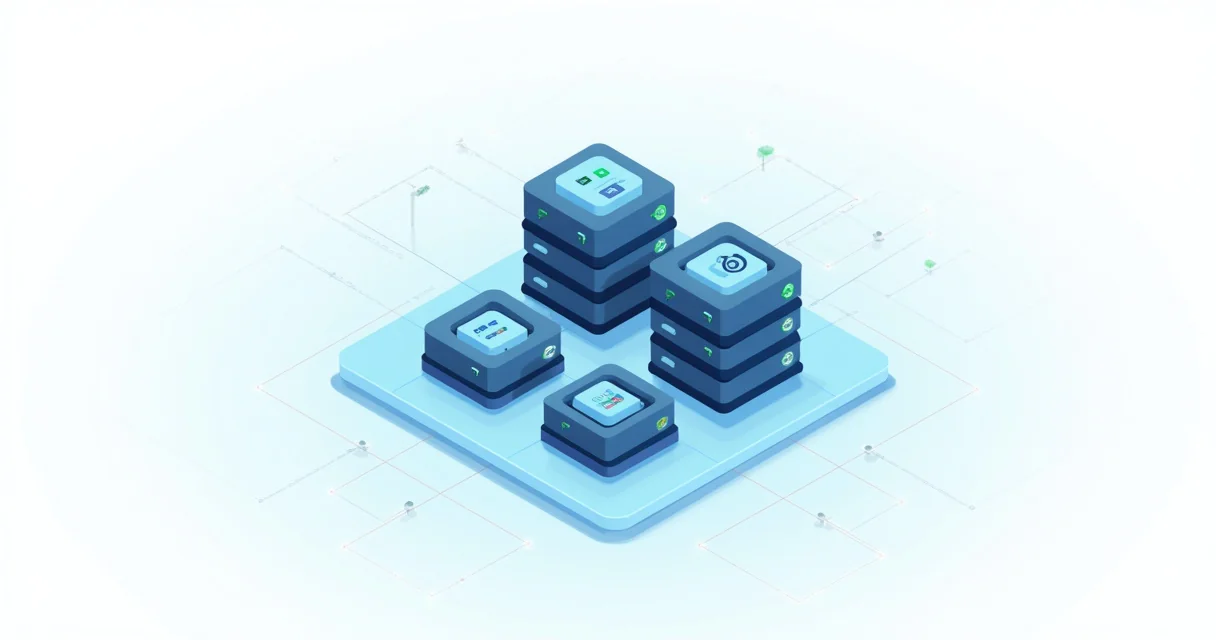
Los proxies en los procesos ETL (Extract, Transform, Load) actúan como una capa de infraestructura crítica que permite evadir los mecanismos anti-scraping y los límites de velocidad basados en IP durante la fase de extracción. Al distribuir las solicitudes a través de un grupo diverso de direcciones IP residenciales o de datacenter, los ingenieros de datos pueden lograr una recolección de datos de alta concurrencia sin activar bloqueos de seguridad o CAPTCHAs.
El cuello de botella del ETL moderno: Desafíos en la extracción de datos
En un pipeline ETL estándar, la fase de "Extracción" suele ser la más volátil. Mientras que las migraciones de bases de datos internas son predecibles, la recopilación de datos externos —como la inteligencia de precios competitivos, el análisis de sentimiento en redes sociales o la agregación del mercado inmobiliario— depende de la estabilidad de las conexiones con servidores web de terceros. Estos servidores emplean sistemas de defensa sofisticados diseñados para mitigar el tráfico automatizado.
Sin una estrategia de proxy robusta, los pipelines ETL enfrentan tres obstáculos técnicos principales:
- Limitación de tasa (HTTP 429): Los servidores de destino rastrean el número de solicitudes provenientes de una sola dirección IP. Una vez que se cruza un umbral, el servidor ralentiza o bloquea completamente la comunicación posterior durante un tiempo específico.
- Restricciones geográficas: Muchas fuentes de datos ofrecen contenido diferente según la ubicación del solicitante. Extraer precios localizados de un sitio de comercio electrónico global requiere IPs situadas en regiones específicas.
- Huella digital y reputación de IP: Las soluciones anti-bot sofisticadas como Akamai o Cloudflare analizan la reputación del rango de IP. Las IPs de datacenter suelen ser marcadas de inmediato, mientras que las IPs residenciales proporcionadas por servicios como GProxy cuentan con la confianza de usuarios domésticos legítimos.
Para mantener la integridad de un cronograma ETL 24/7, los ingenieros deben tratar las direcciones IP como un recurso consumible que requiere rotación y gestión. No hacerlo resulta en datos "sucios" o conjuntos de datos incompletos, lo que compromete las fases posteriores de Transformación y Carga.

Selección estratégica de proxies para pipelines ETL
Elegir el tipo de proxy adecuado es un equilibrio entre costo, velocidad y tasas de éxito. Los desarrolladores de ETL suelen elegir entre tres categorías principales dependiendo de la postura de seguridad del objetivo y el volumen de datos requerido.
Proxies de Datacenter
Los proxies de datacenter se generan en servidores secundarios y no están afiliados a proveedores de servicios de Internet (ISP). Son la opción más rápida y económica. En un contexto ETL, son ideales para objetivos con seguridad mínima o para el scraping de alta velocidad de APIs públicas que no implementan verificaciones agresivas de reputación de IP.
Proxies Residenciales
Los proxies residenciales utilizan direcciones IP asignadas por ISPs a propietarios de viviendas reales. Debido a que estas IPs aparecen como usuarios genuinos, son casi imposibles de distinguir del tráfico orgánico. La red residencial de GProxy permite que los procesos ETL roten a través de millones de IPs únicas, neutralizando eficazmente los escenarios de "bloqueo de IP". Este es el estándar de oro para el scraping de sitios protegidos como Amazon, Google Search o LinkedIn.
Proxies Residenciales Estáticos (ISP)
Estos combinan la velocidad de los proxies de datacenter con la alta confianza de las IPs residenciales. Son asignados por un ISP pero alojados en un datacenter. Para tareas ETL que requieren "sesiones pegajosas" (sticky sessions) —donde el scraper debe mantener la misma IP durante un período prolongado para completar una extracción de varios pasos (como un flujo de pago o un formulario de varias páginas)— los proxies de ISP son la elección óptima.
| Característica | Proxies de Datacenter | Proxies Residenciales | Proxies de ISP |
|---|---|---|---|
| Velocidad | Ultra-alta (10 Gbps+) | Moderada (Variable) | Alta |
| Anonimato | Bajo/Medio | Máximo | Alto |
| Tasa de bloqueo | Alta en sitios de primer nivel | Casi nula | Baja |
| Costo | Bajo (Por IP) | Más alto (Por GB) | Premium (Por IP) |
| Mejor caso de uso | APIs desprotegidas, pruebas internas | E-commerce, Redes sociales, SERP | Gestión de cuentas, Sesiones pegajosas |
Arquitectura para la velocidad: Paralelización y rotación
La principal ventaja de usar un servicio de proxy en ETL es la capacidad de paralelizar las solicitudes. Si un sitio de destino limita una sola IP a 1 solicitud por segundo (RPS), un scraper de un solo hilo tardaría 27,7 horas en recolectar 100.000 puntos de datos. Al utilizar un pool de proxies rotativos de 500 IPs de GProxy, un ingeniero puede escalar a 500 RPS, reduciendo el tiempo de extracción a poco más de 3 minutos.
Implementar esto requiere una lógica de rotación robusta. La mayoría de las herramientas ETL modernas (como Apache Airflow o Prefect) pueden manejar tareas paralelas, pero la gestión de proxies suele ocurrir a nivel de aplicación o mediante una puerta de enlace de retroconexión (back-connect).
Integración de Proxy Back-connect
Un proxy back-connect proporciona un único punto de acceso (ej. proxy.gproxy.com:8000) que gestiona automáticamente la rotación en el backend. Cada vez que el script ETL realiza una solicitud, la puerta de enlace asigna una nueva IP del pool. Esto simplifica significativamente el código, ya que el desarrollador no necesita mantener una lista de miles de direcciones IP individuales.
Manejo de la persistencia de sesión
En algunos escenarios ETL, es necesario mantener la misma IP para una secuencia de solicitudes. Esto es común cuando la extracción implica iniciar sesión en un portal o navegar por un filtro de búsqueda de varios pasos. La mayoría de los servicios de proxy profesionales permiten el uso de "IDs de sesión" en las credenciales del proxy. Al añadir una cadena única al nombre de usuario (ej. username-session-12345), la puerta de enlace del proxy garantiza que todas las solicitudes posteriores que utilicen esa cadena se enruten a través de la misma IP hasta que la sesión expire.
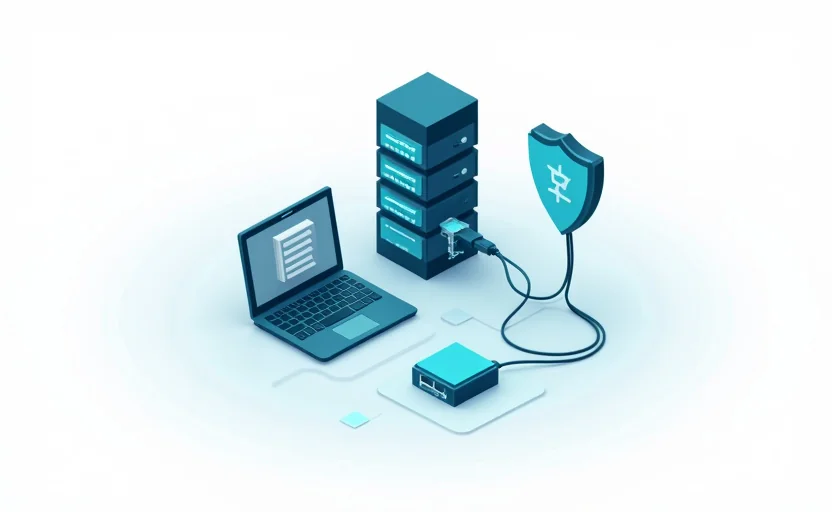
Implementación técnica: Scraper ETL en Python con rotación de proxy
El siguiente ejemplo demuestra cómo integrar un proxy residencial rotativo en un script de extracción basado en Python. Este patrón se utiliza comúnmente dentro de spiders de Scrapy personalizados o trabajadores basados en BeautifulSoup en un pipeline ETL.
import requests
from concurrent.futures import ThreadPoolExecutor

# Configuración de proxy residencial de GProxy
PROXY_USER = "tu_usuario"
PROXY_PASS = "tu_contraseña"
PROXY_ENDPOINT = "proxy.gproxy.com:8000"

# Construcción de la URL del proxy
proxy_url = f"http://{PROXY_USER}:{PROXY_PASS}@{PROXY_ENDPOINT}"
proxies = {
    "http": proxy_url,
    "https": proxy_url
}

def extract_data(url):
    try:
        # El proxy back-connect maneja la rotación automáticamente
        response = requests.get(url, proxies=proxies, timeout=10)
        if response.status_code == 200:
            # Proceder a la fase de 'Transformación'
            return process_raw_data(response.text)
        elif response.status_code == 429:
            print(f"Límite de tasa alcanzado en {url}. La rotación de proxy debería manejar esto.")
    except Exception as e:
        print(f"Error de conexión: {e}")
    return None

def process_raw_data(html):
    # Lógica de transformación simplificada
    return {"data": "contenido_extraído"}

# Ejemplo de extracción paralelizada en un trabajador ETL
target_urls = ["https://example.com/product/1", "https://example.com/product/2"] # ... miles de URLs

with ThreadPoolExecutor(max_workers=20) as executor:
    results = list(executor.map(extract_data, target_urls))

print(f"Se extrajeron con éxito {len([r for r in results if r])} registros.")
Evadiendo medidas anti-bot avanzadas
La seguridad web moderna va más allá del simple rastreo de IP. Para asegurar que la fase de "Extracción" de su proceso ETL no falle, debe abordar métodos de detección más avanzados.
Huella digital TLS (TLS Fingerprinting)
Los proveedores de seguridad ahora analizan el saludo (handshake) TLS. Si utiliza una librería estándar de Python como requests, la huella TLS a menudo identifica al cliente como un script en lugar de un navegador. Combinar las IPs residenciales de alta calidad de GProxy con librerías como httpx o curl-cffi (que pueden imitar las huellas TLS de los navegadores) aumenta significativamente las tasas de éxito.
Consistencia de encabezados
Un error común en el desarrollo de ETL es usar una IP residencial de alta calidad pero enviar encabezados HTTP que no coinciden. Por ejemplo, si su IP está ubicada en Alemania pero su encabezado Accept-Language está configurado como en-US, esto activará una alerta. Los pipelines ETL sofisticados ajustan dinámicamente los encabezados para que coincidan con la ubicación geográfica del proxy.
Rotación de User-Agent
Mientras el proxy rota la IP, usted también debe rotar la cadena User-Agent. Usar el mismo User-Agent en 10.000 IPs diferentes es un indicador claro de actividad automatizada. Implemente un pool de User-Agents del mundo real (Chrome, Firefox, Safari en varios sistemas operativos) y rótelos en conjunto con sus proxies.
Eficiencia económica: Optimizando costos de proxy en ETL
La extracción de datos puede volverse costosa si no se gestiona correctamente. Los proxies residenciales suelen facturarse por ancho de banda (GB), mientras que los de datacenter se facturan por IP. Para optimizar el ROI de sus operaciones ETL, considere un enfoque híbrido:
- Extracción por niveles: Intente la extracción primero con proxies de datacenter más económicos. Si la solicitud falla con un error 403 o 429, realice un "failover" a una IP residencial de GProxy.
- Filtrado en el origen: Use solicitudes
HEADoGETcondicionales (usando encabezadosIf-Modified-Since) para evitar descargar todo el contenido si los datos no han cambiado. Esto ahorra un ancho de banda significativo en planes residenciales. - Caché local: Almacene en caché las respuestas exitosas durante las fases de desarrollo y prueba para evitar el uso redundante de proxies.
El impacto de la calidad del proxy en la integridad de los datos
En la etapa de "Transformación" de ETL, los científicos de datos a menudo encuentran datos "fantasma" o campos faltantes. Con frecuencia, esto no es un error en la lógica de transformación, sino el resultado de un "shadow banning" durante la extracción. Algunos sitios web, en lugar de bloquear una IP sospechosa, le servirán datos ligeramente diferentes, incompletos o genéricos.
Los proxies de alta calidad garantizan que los datos que extrae sean los mismos que ve un usuario real. Para procesos ETL financieros o monitoreo de precios, donde una diferencia del 1% en los datos puede provocar pérdidas significativas, la confiabilidad de la fuente del proxy es innegociable. GProxy proporciona la transparencia y el tiempo de actividad requeridos para pipelines de datos de nivel empresarial, asegurando que la fase de "L" (Carga) de su proceso ETL pueble su almacén de datos con información precisa y de alta fidelidad.
Conclusiones clave
Integrar proxies en sus procesos ETL no se trata solo de evitar bloqueos; se trata de construir un motor de adquisición de datos escalable, resiliente y de alta velocidad. Al comprender los matices entre los tipos de proxy e implementar una lógica de rotación inteligente, puede transformar un scraper frágil en un robusto pipeline empresarial.
- Diversifique los tipos de proxy: Use proxies de datacenter para velocidad y proxies residenciales para objetivos de alta seguridad para equilibrar costo y rendimiento.
- Automatice la rotación: Utilice puertas de enlace de proxy back-connect para simplificar su código y asegurar que cada solicitud use una IP fresca.
- Consejo práctico 1: Supervise siempre sus códigos de estado HTTP. Un aumento en los errores 403 es una señal para cambiar de IPs de datacenter a residenciales o para aumentar el tamaño de su pool de rotación.
- Consejo práctico 2: Implemente el "mimetismo de encabezados". Asegúrese de que sus encabezados User-Agent, Accept-Language y Referer coincidan con el perfil de un usuario legítimo en la misma región que su IP de proxy.
Leer también

Proxies para Facebook Ads: cómo publicar anuncios desde cualquier ubicación
Proxies para Twitch: Streaming y aumento de espectadores

Proxies para el arbitraje de tráfico: multicuenta y cloaking

Proxies para IA: Accede a ChatGPT, Midjourney, Claude
Proxies para marketing por correo electrónico y envío masivo de correos