
 Русский
 English
 Українська
 Deutsch
 Español
 Português
 Türkçe
 中文
中文
Backconnect proxies function as a sophisticated gateway between a client and a massive pool of IP addresses, automatically rotating the exit IP for every request or session. This architecture eliminates the manual management of IP lists and provides the high anonymity required for bypassing aggressive anti-bot systems and rate limits in large-scale data operations.
The Technical Architecture of Backconnect Proxies
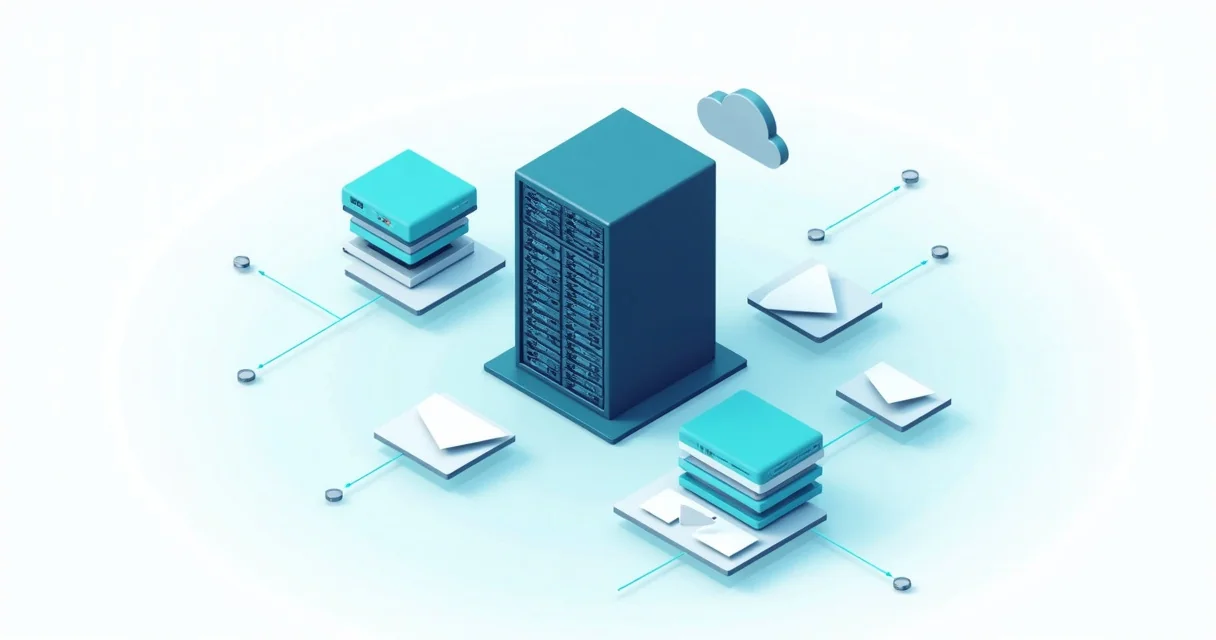
In a traditional proxy setup, a user connects directly to a specific IP address. If that IP is blocked or rate-limited, the user must manually switch to another address in their list. A backconnect proxy simplifies this by providing a single entry point—a gateway server. When you send a request to this gateway, the server selects an IP from a pre-configured pool (often containing millions of residential or datacenter IPs) and routes your traffic through it.
The "backconnect" name refers to the way the gateway server manages the connection back to the proxy pool. For the target website, the request appears to originate from a standard residential or mobile device. For the user, the entire complexity of IP rotation is abstracted away. This is typically managed through two primary methods:
- Port-Based Rotation: Each port on the gateway server corresponds to a different IP or a different rotation logic (e.g., Port 8000 for a new IP every request, Port 8001 for a 5-minute sticky session).
- Session ID-Based Rotation: The user appends a unique string to their authentication credentials. As long as the string remains the same, the gateway attempts to keep the same exit IP. Changing the string triggers an immediate rotation.
GProxy utilizes a high-performance load-balancing layer to ensure that the transition between IPs is seamless, maintaining low latency even when switching between geographically distant nodes. This infrastructure is essential for tasks where a single failed request can compromise an entire data collection pipeline.
Strategic Advantages for High-Volume Operations
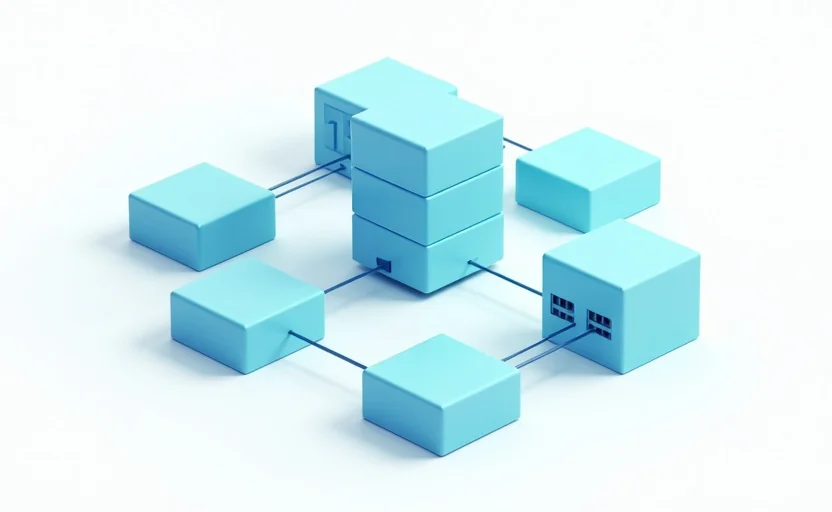
High-volume tasks like price monitoring or web crawling require more than just a large number of IPs; they require intelligence in how those IPs are deployed. Backconnect proxies offer several distinct advantages over static IP lists.
1. Automated Rate Limit Evasion
Most modern websites employ sophisticated rate-limiting algorithms that track the number of requests coming from a single IP within a specific timeframe. If you exceed 100 requests per minute from one IP, you likely face a 429 "Too Many Requests" error or a permanent IP ban. Backconnect proxies solve this by distributing thousands of requests across thousands of different IPs simultaneously. Even if a target site allows only 1 request per IP per minute, a pool of 100,000 IPs allows for 100,000 requests per minute without triggering an alarm.
2. Enhanced Anonymity and Fingerprinting Protection
Static proxies are easier to fingerprint. If a scraper uses the same 50 datacenter IPs for months, a target site’s security team can easily identify the pattern and block the entire subnet. Backconnect pools, especially those provided by GProxy consisting of residential IPs, use real devices with legitimate ISP signatures. This makes it nearly impossible for anti-bot solutions like Cloudflare or Akamai to distinguish between a bot and a genuine human user.
3. Simplified Codebases
Managing IP rotation within your application logic is resource-intensive and prone to errors. You have to write code to handle "cool-down" periods for banned IPs, verify the health of each proxy, and balance the load. With a backconnect service, your code only needs to point to one URL. The gateway handles the health checks and rotation logic, allowing developers to focus on data parsing rather than infrastructure management.
Comparison: Static Proxies vs. Backconnect Proxies
To understand which tool is right for a specific task, consider the following comparison based on operational metrics:
| Feature | Static Proxies (ISP/Datacenter) | Backconnect Proxies (Rotating) |
|---|---|---|
| IP Management | Manual: You manage the list and rotation. | Automatic: The gateway server handles rotation. |
| Scalability | Limited by the number of IPs purchased. | Virtually unlimited within the provider's pool. |
| Anonymity Level | Moderate: IPs are fixed and can be flagged. | High: IPs change constantly, mimicking human behavior. |
| Success Rate | Lower for sites with strict anti-bot measures. | Highest for complex, JavaScript-heavy sites. |
| Cost Structure | Usually pay-per-IP. | Usually pay-per-GB (Traffic) or per-port. |
Industry-Specific Use Cases and Scenarios
Backconnect proxies are not just a luxury; they are a necessity for specific industrial applications where data accuracy and uptime are non-negotiable.
E-commerce Price Intelligence
Major retailers like Amazon, Target, and Walmart use dynamic pricing models that change based on the viewer's location, browsing history, and current demand. To get an accurate picture of the market, a competitor must scrape these sites from thousands of different "locations" (IPs) simultaneously. Using backconnect proxies allows a scraper to simulate users from different zip codes, ensuring the collected price data reflects reality across all regions.
Ad Verification and Fraud Detection
The digital advertising industry loses billions annually to ad fraud. Scammers often display ads only to specific IP ranges or hide them when they detect traffic from known datacenter subnets. Ad verification companies use residential backconnect proxies to "stealthily" check if ads are being displayed correctly on publisher sites. By appearing as a regular residential user, they can catch fraudulent behavior that would be hidden from a standard datacenter proxy.
SEO and SERP Monitoring
Search engines are incredibly sensitive to automated queries. Tracking keyword rankings across different countries and cities requires a massive volume of requests. Backconnect proxies allow SEO tools to query Google or Bing thousands of times per hour without triggering CAPTCHAs. Specifically, using GProxy's geo-targeting features, users can specify the city or country at the gateway level, receiving localized search results for hyper-accurate reporting.
Technical Implementation and Session Management
Implementing backconnect proxies in a modern stack is straightforward. Most developers use the requests library in Python or axios in Node.js. Below is a practical example of how to implement a backconnect proxy with session persistence using Python.
import requests

# GProxy Backconnect Gateway Details
# Format: username:[email protected]:port
proxy_host = "gate.gproxy.com"
proxy_port = "8000"
username = "your_username"
password = "your_password"

# Using a session ID to maintain the same IP for multiple requests (Sticky Session)
session_id = "user_session_12345"
proxy_url = f"http://{username}-session-{session_id}:{password}@{proxy_host}:{proxy_port}"

proxies = {
    "http": proxy_url,
    "https": proxy_url,
}

def fetch_data(target_url):
    try:
        # The gateway will assign a residential IP to this session
        response = requests.get(target_url, proxies=proxies, timeout=10)
        response.raise_for_status()
        print(f"Success! Request handled by IP: {response.json().get('origin')}")
        return response.text
    except requests.exceptions.RequestException as e:
        print(f"Error: {e}")
        return None

# Example usage
target = "https://httpbin.org/ip"
fetch_data(target)
In the example above, the -session-12345 suffix tells the GProxy gateway to keep the same exit IP for as long as that IP remains available in the pool. This is critical for tasks that require logging into a website or adding items to a shopping cart, where changing the IP mid-process would result in a session termination.
Performance Optimization and Error Handling
While backconnect proxies provide high success rates, complex tasks still require robust error handling. No proxy pool is perfect; residential IPs can go offline if the host device is turned off or loses connection. To maintain a 99.9% success rate, your automation scripts should account for the following:
- Retry Logic with Exponential Backoff: If a request fails due to a proxy error (e.g., a 502 or 503 error from the gateway), the script should wait a short period and retry. If it fails again, the wait time should increase.
- Handling 403 and 429 Status Codes: A 403 (Forbidden) usually means the specific IP has been flagged by the target's firewall. A 429 (Too Many Requests) means you are hitting the site too hard. In both cases, the solution is to rotate the session ID immediately to get a fresh IP from the GProxy pool.
- Timeout Management: Residential IPs can sometimes be slower than datacenter IPs. Set a generous timeout (e.g., 15-30 seconds) to ensure you don't drop valid connections that are simply taking a moment to route through a residential ISP.
- User-Agent Rotation: Even with a rotating IP, using the same User-Agent string for millions of requests is a red flag. Always pair backconnect proxies with a library of modern User-Agents to mimic a diverse user base.
Key Takeaways
Backconnect proxies are the engine behind modern web scraping and automated data collection. By abstracting the complexity of IP rotation and providing access to diverse residential pools, they allow businesses to scale their operations without the constant fear of IP bans or data inaccuracies. You have learned that these proxies are essential for bypassing rate limits, achieving high anonymity, and simplifying your technical infrastructure.
Practical Tips for Success:
- Match the Proxy Type to the Task: Use datacenter backconnects for speed and high-volume scraping on sites with basic security. Switch to GProxy residential backconnects for e-commerce, social media, and sites protected by advanced anti-bot solutions.
- Leverage Sticky Sessions Wisely: Use session persistence only when necessary (e.g., multi-step forms or logins). For general scraping, rotate the IP for every single request to maximize the lifespan of your pool and minimize detection.
- Monitor Your Traffic: Regularly check your success-to-failure ratio in the GProxy dashboard. A sudden drop in success rates often indicates that your User-Agent or request headers—not the proxy—are being detected.
View Plans

Proxies for Facebook Ads: Running Ads from Any Location
Proxies for Twitch: Streaming and View Boosting

Proxies for Traffic Arbitrage: Multi-accounting and Cloaking

Proxies for AI: Access ChatGPT, Midjourney, Claude
Proxies for Email Marketing and Mass Mailing