
 Русский
 English
 Українська
 Deutsch
 Español
 Português
 Türkçe
 中文
中文
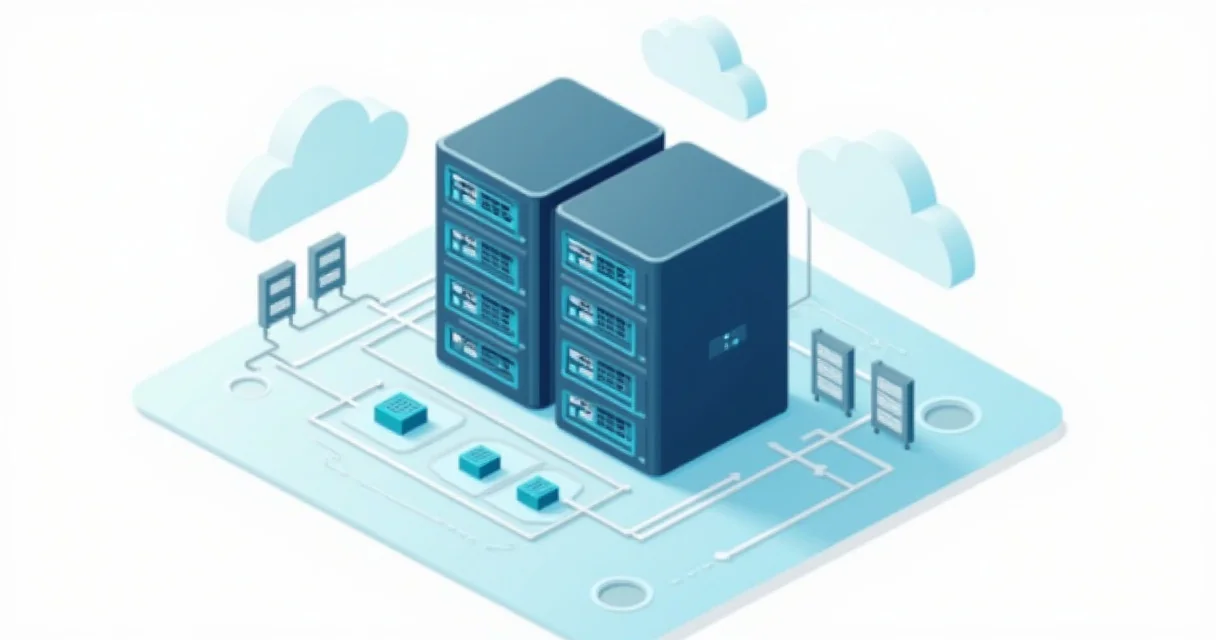
A-Parser benötigt Hochleistungs-Proxys, um die hochentwickelten Anti-Scraping-Mechanismen von Suchmaschinen wie Google, Yandex und Bing zu umgehen. Für eine erfolgreiche Datenextraktion im großen Stil ist eine Kombination aus residential und mobile Proxys unerlässlich, um hohe Erfolgsquoten aufrechterhalten und sofortiges IP-Blacklisting zu verhindern. GProxy bietet die notwendige Infrastruktur, um diese Operationen zu skalieren, ohne "403 Forbidden"- oder "429 Too Many Requests"-Fehler auszulösen.
Die entscheidende Rolle von Proxys im A-Parser-Betrieb
A-Parser ist ein multithreaded Tool auf Industrieniveau, das für die Hochgeschwindigkeits-Datenextraktion entwickelt wurde. Wenn Hunderte oder Tausende von Threads ausgeführt werden, ist der primäre Engpass niemals die Rechenleistung der Software, sondern die Qualität und Quantität des Proxy-Pools. Suchmaschinen überwachen Anfrage-Muster, Frequenz und IP-Reputation. Eine einzelne Datacenter-IP, die 50 Anfragen pro Minute an Google sendet, wird innerhalb von Sekunden markiert und blockiert.
Um effektiv zu arbeiten, müssen A-Parser-Nutzer die Hierarchie der Proxy-Typen und deren spezifische Anwendungen innerhalb der Software verstehen. Datacenter-Proxys sind zwar günstig und schnell, werden aber von Suchmaschinen leicht identifiziert, da ihre IP-Bereiche zu bekannten Cloud-Anbietern wie AWS oder DigitalOcean gehören. Für das Suchmaschinen-Parsing (SERP) sind diese oft wirkungslos. Residential Proxys, die von echten Haushalts-Internetanschlüssen stammen, bieten den höchsten Trust-Score. Mobile Proxys gehen noch einen Schritt weiter und nutzen IP-Adressen aus Mobilfunknetzen (4G/5G), die von Tausenden echten Nutzern geteilt werden. Dies macht es für Suchmaschinen nahezu unmöglich, sie zu blockieren, ohne massiven Kollateralschaden bei legitimen Nutzern zu riskieren.
Die Verwendung von GProxy residential Proxys ermöglicht es A-Parser, Anfragen über Millionen von eindeutigen IPs zu verteilen und so organisches Nutzerverhalten effektiv zu imitieren. Diese Verteilung ist der einzige Weg, um langfristige Scraping-Projekte wie Keyword-Ranking-Tracking, Backlink-Analysen oder Marktforschung aufrechtzuerhalten.

Strategische Auswahl: Vergleich der Proxy-Typen
Die Wahl des richtigen Proxy-Typs hängt von der spezifischen Suchmaschine und dem benötigten Datenvolumen ab. Google ist bekanntermaßen empfindlich gegenüber der IP-Reputation, während Bing etwas nachsichtiger sein kann. Yandex hingegen setzt häufig aggressive JS-basierte Challenges und Captchas ein, die saubere IPs mit hoher Autorität erfordern.
Die folgende Tabelle skizziert die Leistungsmetriken für verschiedene Proxy-Kategorien bei der Verwendung mit A-Parser für das Suchmaschinen-Scraping:
| Proxy-Typ | Google Erfolgsquote | Yandex Erfolgsquote | Kosteneffizienz | Empfohlene Threads |
|---|---|---|---|---|
| Datacenter | 5-15% | 10-20% | Hoch | Niedrig (1-5 pro IP) |
| Residential (GProxy) | 85-95% | 80-90% | Mittel | Hoch (50-200+ pro Pool) |
| Mobile (4G/5G) | 98%+ | 95%+ | Niedrig | Sehr Hoch (Dynamisch) |
Wann man Residential Proxys einsetzt
Residential Proxys sind der "Goldstandard" für A-Parser. Sie bieten das beste Gleichgewicht zwischen Kosten und Leistung. Nutzen Sie diese für:
- Großflächiges Keyword-Scraping (100k+ Keywords).
- Globales SEO-Monitoring über verschiedene Regionen und Städte hinweg.
- Wettbewerbsanalysen, bei denen Datengenauigkeit oberste Priorität hat.
Wann man Mobile Proxys einsetzt
Mobile Proxys sollten für die schwierigsten Aufgaben reserviert bleiben. Ihre hohen Kosten sind gerechtfertigt bei:
- Parsing von stark geschützten lokalen Suchergebnissen.
- Umgehung von persistenten "SmartCaptcha" auf Yandex.
- Accounterstellung oder Automatisierung, bei denen das IP-Fingerprinting extrem ist.
Konfiguration von Proxys in A-Parser: Ein technischer Leitfaden
Das Einrichten von Proxys in A-Parser beinhaltet mehr als nur das Einfügen einer Liste. Um die Effizienz zu maximieren, müssen Sie die Einstellungen für den "Proxy Checker" und den "Proxy Manager" korrekt konfigurieren. A-Parser verwaltet Proxys zentralisiert, sodass mehrere "Parser" aus demselben Pool schöpfen können.
- Proxys importieren: Navigieren Sie zum Proxy Manager. Sie können Proxys im Standardformat
host:portoderuser:pass@host:portimportieren. Wenn Sie GProxy verwenden, nutzen Sie wahrscheinlich ein Backconnect-Gateway, das die Rotation automatisch auf der Anbieterseite übernimmt. - Der Proxy Checker: Dies ist die wichtigste Komponente. Verwenden Sie nicht den Standard-Check "google.com" für alles. Wenn Sie Yandex parsen, setzen Sie die Check-URL auf
yandex.ru. Suchmaschinen reagieren unterschiedlich auf verschiedene IP-Bereiche; ein Proxy, der für Bing funktioniert, kann bei Google blockiert sein. - Ban-Erkennung: Konfigurieren Sie die "Ban Regex"-Einstellungen. Suchen Sie für Google nach Zeichenfolgen wie
/sorry/index?continue=. Wenn A-Parser diese Zeichenfolge erkennt, markiert es den Proxy sofort als "Banned" und wechselt zum nächsten im Pool.
Setzen Sie in den "Proxy Checker"-Einstellungen die Max errors auf eine niedrige Zahl (z. B. 2 oder 3). Wenn ein Proxy zweimal fehlschlägt, sollte er für eine Abkühlphase aus dem aktiven Pool entfernt werden. Dies verhindert, dass A-Parser Threads an toten oder blockierten IPs verschwendet.
Fortgeschrittene Optimierung: Thread-Management und Timing
Ein häufiger Fehler ist das Ausführen von zu vielen Threads mit zu wenigen Proxys. Dies führt zu einer "Abwärtsspirale", bei der alle Proxys gleichzeitig gesperrt werden. Das ideale Verhältnis hängt vom Proxy-Typ ab. Für GProxy residential Proxys können Sie oft ein Verhältnis von 1:1 (1 Thread pro 1 aktiver IP) beibehalten oder sogar höher gehen, wenn Sie rotierende Backconnect-IPs verwenden.
Berechnung optimaler Thread-Anzahlen
Wenn Sie einen Pool von 1.000 residential IPs haben, sollten Sie mit 200-300 Threads beginnen. Überwachen Sie das Verhältnis von "Success" zu "Error" im Dashboard von A-Parser. Wenn die Fehlerrate 10 % übersteigt, verringern Sie die Threads oder erhöhen Sie den "Delay between requests" (Anfrageverzögerung). Für das Suchmaschinen-Parsing ist oft eine Verzögerung von 500ms bis 2000ms erforderlich, um eine musterbasierte Erkennung zu vermeiden.
Umgang mit Captchas
Selbst mit den besten Proxys werden Suchmaschinen gelegentlich Captchas ausgeben. A-Parser unterstützt die Integration mit Diensten wie Anti-Captcha oder 2Captcha. Das Ziel bei der Verwendung von GProxy ist es jedoch, Captchas gänzlich zu vermeiden. Durch die Rotation über einen ausreichend großen Pool von residential IPs können Sie die "Anfragen pro IP" so niedrig halten, dass Captchas selten ausgelöst werden, was Ihre Betriebskosten erheblich senkt.
Verwendung der A-Parser API für dynamisches Proxy-Management
Für fortgeschrittene Nutzer bietet A-Parser eine leistungsstarke JSON-RPC API. Diese ermöglicht es Ihnen, Ihre Proxy-Listen programmatisch zu aktualisieren oder Einstellungen basierend auf externen Triggern zu ändern. Wenn beispielsweise Ihre Erfolgsquote unter einen bestimmten Schwellenwert fällt, können Sie ein Skript auslösen, um Ihre GProxy-Sub-User zu rotieren oder die Zielregion zu ändern.
Unten finden Sie ein Python-Beispiel für die Interaktion mit der A-Parser API, um den Status Ihres Proxy-Pools zu überprüfen:
import requests
import json

# A-Parser API Konfiguration
APARSER_URL = "http://127.0.0.1:9091/jsonrpc"
PASSWORD = "your_api_password"

def get_proxy_stats():
    payload = {
        "jsonrpc": "2.0",
        "method": "getProxyStats",
        "params": {
            "password": PASSWORD,
            "proxy_list": "default"
        },
        "id": 1
    }

    try:
        response = requests.post(APARSER_URL, data=json.dumps(payload))
        stats = response.json()
        if 'result' in stats:
            print(f"Total Proxies: {stats['result']['total']}")
            print(f"Alive Proxies: {stats['result']['alive']}")
            print(f"Banned Proxies: {stats['result']['banned']}")
        else:
            print("Fehler beim Abrufen der Stats:", stats.get('error'))
    except Exception as e:
        print(f"Verbindung fehlgeschlagen: {e}")

if __name__ == "__main__":
    get_proxy_stats()
Dieses Skript ermöglicht es Ihnen, den Zustand Ihres GProxy-Pools in Echtzeit zu überwachen. Wenn die Anzahl der "Alive"-Proxys signifikant sinkt, könnte Ihr Skript den Parsing-Task pausieren, um Datenverlust oder weitere Sperren zu verhindern.
Best Practices für das Suchmaschinen-Parsing
Erfolgreiches Parsing ist eine Kunst der Tarnung. Um Ihre A-Parser-Instanz reibungslos am Laufen zu halten, befolgen Sie diese Experten-Praktiken:
- User-Agent Rotation: Verwenden Sie eine umfangreiche Liste echter, moderner User-Agents. A-Parser kann diese automatisch rotieren. Stellen Sie sicher, dass der User-Agent zum Gerätetyp Ihres Proxys passt (verwenden Sie z. B. keinen mobilen User-Agent bei einer Desktop-residential-IP).
- Header-Anpassung: Suchmaschinen achten auf spezifische Header wie
Accept-LanguageundSec-Fetch-Mode. Das Nachahmen des Header-Stacks eines echten Browsers verringert die Wahrscheinlichkeit, als Bot markiert zu werden. - Geografische Konsistenz: Wenn Sie Google.de (Deutschland) parsen, verwenden Sie deutsche residential Proxys von GProxy. Suchmaschinen finden es verdächtig, wenn ein Nutzer mit einer US-IP-Adresse konsistent nach lokalisierten deutschen Begriffen sucht.
- Vermeidung von "Footprints": Verwenden Sie nicht dieselben Abfragemuster über alle Threads hinweg. Randomisieren Sie Ihre Keyword-Listen, um zu verhindern, dass die Suchmaschine eine programmgesteuerte Sequenz von Anfragen erkennt.
Die "Cool-down"-Strategie
Wenn ein Proxy von Google gesperrt wird, ist er nicht zwangsläufig für immer verloren. Die Implementierung einer "Cool-down"-Phase von 30 bis 60 Minuten in A-Parser ermöglicht es der IP-Reputation, sich zu regenerieren. Die rotierenden residential Pools von GProxy erledigen vieles davon automatisch, aber die Konfiguration von A-Parser auf "Wait on Ban" ist eine zusätzliche Schutzschicht für Ihre Erfolgsquoten.
Wichtige Erkenntnisse
Die Beherrschung von A-Parser für das Suchmaschinen-Scraping erfordert ein tiefes Verständnis dafür, wie Proxys mit Anti-Bot-Systemen interagieren. Indem Sie sich von billigen Datacenter-IPs verabschieden und auf vertrauenswürdige residential und mobile Pools setzen, können Sie eine beispiellose Skalierung und Datengenauigkeit erreichen.
- Residential Proxys sind Pflicht: Für Google und Yandex sind Datacenter-IPs für Aufgaben mit hohem Volumen nicht mehr rentabel. Nutzen Sie GProxy residential IPs, um hohe Erfolgsquoten zu halten.
- Proxy-Zustand überwachen: Nutzen Sie den A-Parser Proxy Checker mit suchmaschinenspezifischen URLs, um sicherzustellen, dass Ihre Threads nicht an gesperrten IPs verschwendet werden.
- Geografie abgleichen: Richten Sie Ihren Proxy-Standort immer an der Suchmaschinen-Domain aus, die Sie anvisieren, um Misstrauen zu minimieren.
Praxis-Tipp 1: Starten Sie Ihre Aufgaben mit einer niedrigen Thread-Anzahl (z. B. 10-20) und erhöhen Sie diese schrittweise, während Sie die "Response Time" und "Error Rate" in A-Parser überwachen. Jede Netzwerkumgebung ist anders, und das Finden des "Sweet Spots" ist der Schlüssel zu langfristiger Stabilität.
Praxis-Tipp 2: Aktualisieren Sie regelmäßig Ihre "Ban Regex"-Liste. Suchmaschinen ändern ihre Sperrseiten häufig. Wenn A-Parser eine neue Sperrseite nicht erkennt, wird sie als erfolgreiches (aber leeres) Ergebnis gewertet, was Ihren Datensatz korrumpiert.
Lesen Sie auch

Proxies für Xrumer: Welche man wählen sollte und wie man sie einrichtet

Proxies für Key Collector: Einrichtung und Rotation

Binom Tracker: Proxy-Setup für Traffic Arbitrage

VKDog Pro: Automatisches Posten und Grabben von VK-Inhalten

Tooligram: Proxy-Einrichtung für die Instagram-Promotion