
 Русский
 English
 Українська
 Deutsch
 Español
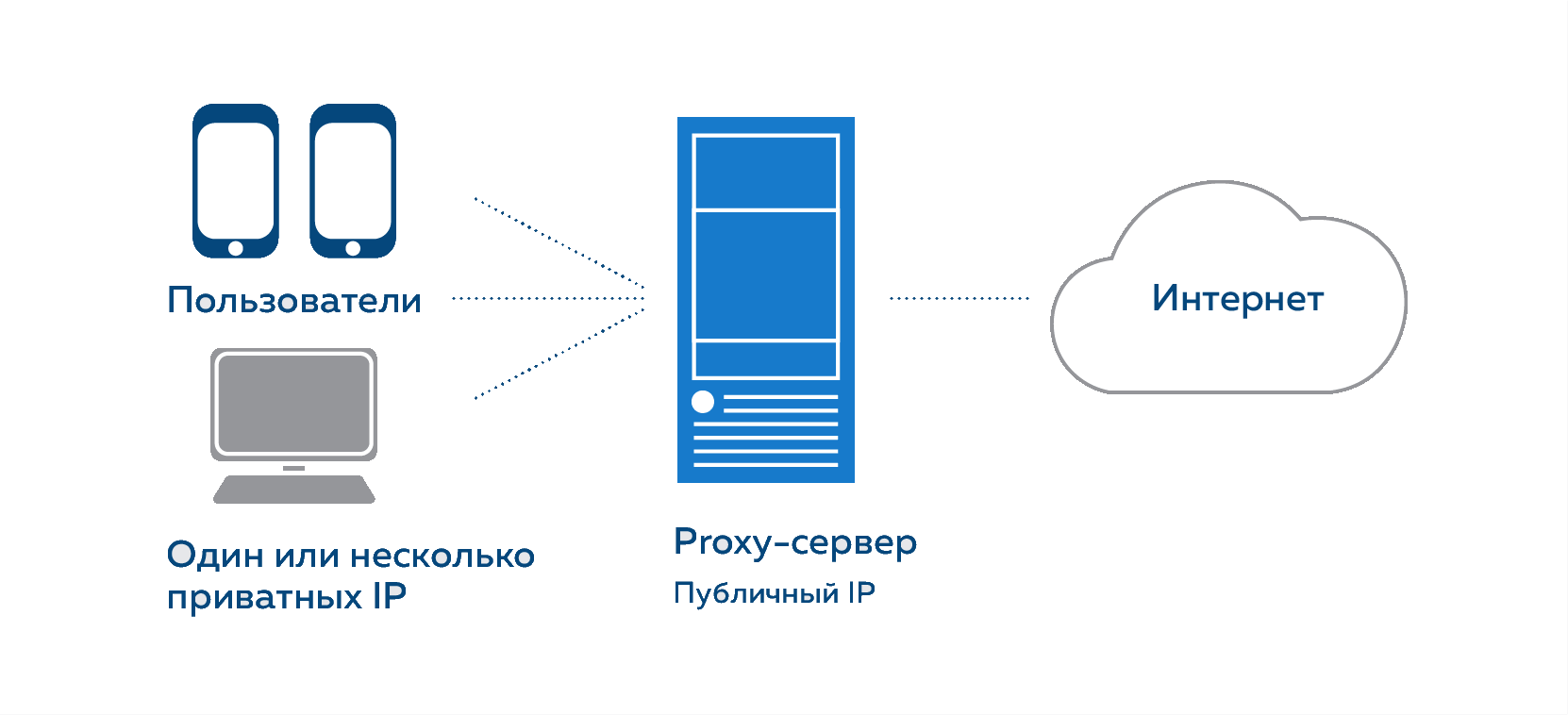
Proxy Servers for Various Purposes: A Comprehensive Guide to Selection, Configuration, and Application
In today’s digital world, where data flows are constantly growing and the demands for security, privacy, and fast data exchange become critical, proxy servers for various purposes play a key role. Whether you need to protect corporate data, ensure anonymous access to online resources, conduct marketing research, or scrape data, a solution based on proxy servers enables you to achieve high levels of efficiency and security. This detailed guide examines all aspects of using proxy servers for various purposes – from basic concepts and technical specifications to practical case studies and cost optimization strategies. This guide is intended for IT administrators, information security specialists, marketers, and anyone interested in integrating proxy servers into their business processes.
Introduction: The Importance and Relevance of Proxy Servers for Various Purposes
Modern technologies require companies to use advanced tools to optimize workflows and protect information. Proxy servers for various purposes provide the ability to hide the real IP address, ensure user anonymity, and bypass regional restrictions, which is especially important in the era of global digitalization. Solutions based on proxy servers are applied in a wide range of tasks: from secure web browsing and protecting corporate networks to conducting large-scale data scraping and SEO analysis. In this guide, we will explain how to properly select, configure, and operate proxy servers for various purposes to ensure maximum efficiency and security of your operations.
Basic Concepts: What Proxy Servers for Various Purposes Are
The term proxy servers for various purposes refers to intermediary servers through which internet traffic passes, allowing you to hide the user’s real IP address. They act as intermediaries between the end user and target web resources, ensuring anonymity, traffic filtering, and the ability to bypass blocks. Such servers can be configured to perform various tasks:
- Protection of corporate networks: Using proxy servers helps conceal a company’s internal infrastructure, preventing potential cyberattacks and unauthorized access to data.
- Ensuring anonymous access: Proxy servers allow users to remain anonymous when visiting various online resources, which is important for journalists, analysts, and private individuals.
- Marketing research and SEO: By bypassing geographic blocks, proxy servers for various purposes are actively used for data scraping, analyzing website rankings, and monitoring competitor activities.
- Access to regionally restricted content: Proxy servers provide access to resources unavailable in certain regions, which is particularly relevant for international business.
Thus, the use of proxy servers for various purposes opens up broad opportunities for companies and individuals to enhance security, optimize processes, and reduce costs.
Advantages of Using Proxy Servers for Various Purposes
Let’s consider the key advantages of using proxy servers for various purposes:
- Anonymity and security: Using proxy servers hides your true IP address, reducing the risk of tracking, cyberattacks, and data breaches.
- Configurability: Proxy servers can be adapted to specific tasks, from simple traffic routing to complex scenarios involving filtering and access control.
- Cost reduction: Proxy-based solutions enable you to optimize IT infrastructure expenses while maintaining high performance with relatively low investments.
- Bypassing blocks and restrictions: Proxy servers for various purposes allow access to resources that may be restricted by geographic or political factors.
- Improved analytics quality: Using proxies helps obtain objective data for marketing research, SEO analysis, and data scraping.
- Support for multiple protocols: Proxy servers work with various data transfer protocols (HTTP, HTTPS, SOCKS), making them versatile for a wide range of tasks.
Types of Proxy Servers for Various Purposes
There are several main types of proxy servers, each designed to address specific tasks. Let’s review their features:
HTTP/HTTPS Proxies
Proxy servers operating on the HTTP/HTTPS protocols are widely used for web browsing, securing web traffic, and ensuring safe access to online resources. They provide:
- Request filtering;
- User anonymity;
- Access to protected resources.
This type of proxy is ideal for tasks that require secure and fast access to web pages.
SOCKS Proxies
SOCKS proxies are highly versatile and support the transmission of traffic via various protocols, including TCP and UDP. These servers are suitable for:
- Ensuring anonymity in P2P networks;
- Transmitting traffic for VoIP and online gaming;
- Working with non-standard applications that require support for multiple traffic types.
The advantage of SOCKS proxies is their ability to handle any data without modifying its content.
Residential and Data Center Proxies
Residential proxies use IP addresses assigned to real devices, making them more reliable for bypassing blocks and ensuring natural traffic behavior. Data center proxies, on the other hand, provide virtual IP addresses that often offer high speed and stability. With proxy servers for various purposes, you can choose the optimal option depending on your specific task:
- Residential proxies: Ideal for bypassing sophisticated protection systems, ensuring high anonymity, and working with regionally restricted content;
- Data center proxies: Known for high speed, making them indispensable for tasks requiring rapid processing of large data volumes.
Key Criteria for Choosing Proxy Servers for Various Purposes
When selecting a solution to use proxy servers for various purposes, you should consider the following criteria:
- Connection speed and stability: High performance is crucial for successfully completing tasks such as data scraping, streaming, and online gaming.
- Level of anonymity: Choose solutions that reliably hide the real IP address and prevent tracking of user activities.
- Compatibility with necessary protocols: Ensure that the chosen proxy type supports the required protocols (HTTP, HTTPS, SOCKS) and easily integrates with your software.
- Configurability and scalability: The ability to customize and expand the system according to your business needs is key when choosing proxy servers for various purposes.
- Provider reliability and technical support: Pay attention to the provider’s reputation, the availability of 24/7 support, and the possibility of testing the service before signing a contract.
Integrating Proxy Servers for Various Purposes into Business Processes
Effective integration of proxy servers for various purposes into a company’s IT infrastructure can significantly enhance productivity and security. Consider the following key aspects of integration:
- Planning and needs analysis: First, conduct an analysis of the tasks for which proxy servers are required. Determine the traffic volume, the level of anonymity needed, and specific tasks such as marketing research, website monitoring, or protecting corporate data.
- System configuration and testing: After selecting the appropriate solution, configure the system, integrate it with existing services, and test its performance. Regular testing allows you to promptly identify and resolve potential issues.
- Monitoring and optimization: Implement specialized software to monitor proxy server performance. This ensures constant control over the system and enables timely adjustments when working conditions change.
- Staff training: For effective operation of proxy servers for various purposes, ensure that the personnel responsible for managing and monitoring the system are properly trained. This allows for prompt response to issues and optimization of workflows.
Practical Case Studies of Using Proxy Servers for Various Purposes
In practice, the solution proxy servers for various purposes is successfully applied in a wide range of fields:
Case 1: Protecting and Anonymizing Corporate Networks
A large company specializing in financial services integrated proxy servers to secure its internal network and protect confidential data. The use of proxy servers for various purposes enabled the company to hide internal IP addresses and ensure reliable encryption of transmitted information, significantly reducing the risk of cyberattacks and data breaches.
Case 2: Marketing Research and SEO Analytics
A marketing agency used proxy servers to collect and analyze data from various online resources. The solution proxy servers for various purposes allowed them to bypass geographic blocks, access regional content, and collect objective data on user behavior, which ultimately led to improved promotion strategies and more effective advertising campaigns.
Case 3: Data Scraping and Collection
A company specializing in data analysis applied proxy servers for mass data scraping from various websites. Thanks to the implementation of proxy servers for various purposes, they ensured stable operation under high loads, reduced the likelihood of blocks, and obtained reliable data for creating analytical reports.
Case 4: Testing Web Applications and Software
Developers and QA specialists integrated proxy servers into their web application testing process. Using proxy servers for various purposes allowed them to simulate real operating conditions, perform load testing, and identify bottlenecks in functionality, which contributed to improving the quality of the final product.
Modern Trends and Prospects for Development
In an environment of rapidly evolving digital technologies and increasing demands for security and fast internet connections, proxy servers for various purposes continue to evolve. Key trends include:
- Integration with cloud services: Cloud technologies enable the scaling and optimization of proxy server operations, reducing maintenance costs and providing flexibility in traffic management.
- Automation of management processes: The use of monitoring systems, analytics, and automatic IP rotation increases operational efficiency and minimizes risks associated with manual configuration.
- Enhanced security measures: Constant updates to encryption algorithms and the implementation of modern data protection methods ensure a high level of anonymity and security for corporate information systems.
- Expansion of functionality: New features such as geo-targeting, support for multiple protocols, and integration with analytics platforms allow proxy servers for various purposes to be adapted to the specific needs of each business.
- Increased demand for high-performance solutions: As data volumes and the number of online services grow, the demand for reliable proxy servers capable of maintaining stable connections even under peak loads is rising.
Recommendations for Companies to Optimize IT Infrastructure
To effectively use proxy servers for various purposes and maximize your return on investment, it is recommended to:
- Conduct regular IT infrastructure audits: Identify weaknesses, analyze system performance, and implement necessary changes to improve efficiency.
- Train and upgrade staff skills: Regular training helps employees quickly adapt to new technologies and effectively manage integrated solutions.
- Invest in innovative technologies: Implement modern encryption methods, automated monitoring systems, and cloud services to enhance security and stability.
- Monitor market trends: Keeping up with new developments in proxy technology will allow you to update your solutions in time to maintain a competitive advantage.
- Integrate solutions with existing business processes: Proper integration of proxy servers with corporate systems ensures effective interaction and high performance across all IT components.
Final Recommendations and Overall Strategy
In conclusion, it can be stated with confidence that proxy servers for various purposes are an indispensable tool for companies seeking to ensure high levels of anonymity, data protection, and effective online operations. Implementing these solutions enables you to:
- Conceal your real IP address and protect corporate data;
- Ensure stable and fast connectivity for critical online services;
- Bypass geographic blocks and access regionally restricted content;
- Optimize IT infrastructure costs through flexibility and scalability;
- Obtain objective data for analytics, marketing, and application testing.
It is recommended to conduct a thorough needs analysis, choose reliable providers, regularly update software, and train staff for maximum effectiveness in using proxy servers for various purposes. A comprehensive approach to implementing these technologies not only reduces costs but also increases the security and competitiveness of your business in the global digital landscape.
Conclusions
Thus, proxy servers for various purposes are a key component of modern IT infrastructure, enabling high levels of anonymity, data protection, and stability for online services. The selection of the optimal solution, its proper integration, and continuous monitoring of performance contribute to achieving the maximum return on investment and enhancing the competitiveness of companies in an increasingly dynamic digital world. Investing in reliable and high-performance proxy servers is a strategic decision that enables businesses to stay ahead of competitors by ensuring secure, fast, and stable internet connectivity for a wide range of tasks.
View Plans

Residential Proxies: What They Are and Why They're Better for Certain Tasks
IPv4 and IPv6: Differences and Which Protocol to Choose for Proxies

Mobile Proxies for Business and Personal Use: Where to Buy
SOCKS5 vs HTTP: Comparing Proxy Types and Choosing for Your Tasks

HTTPS: Security Protocol and Its Role in Proxy Operations