
 Русский
 English
 Українська
 Deutsch
 Español
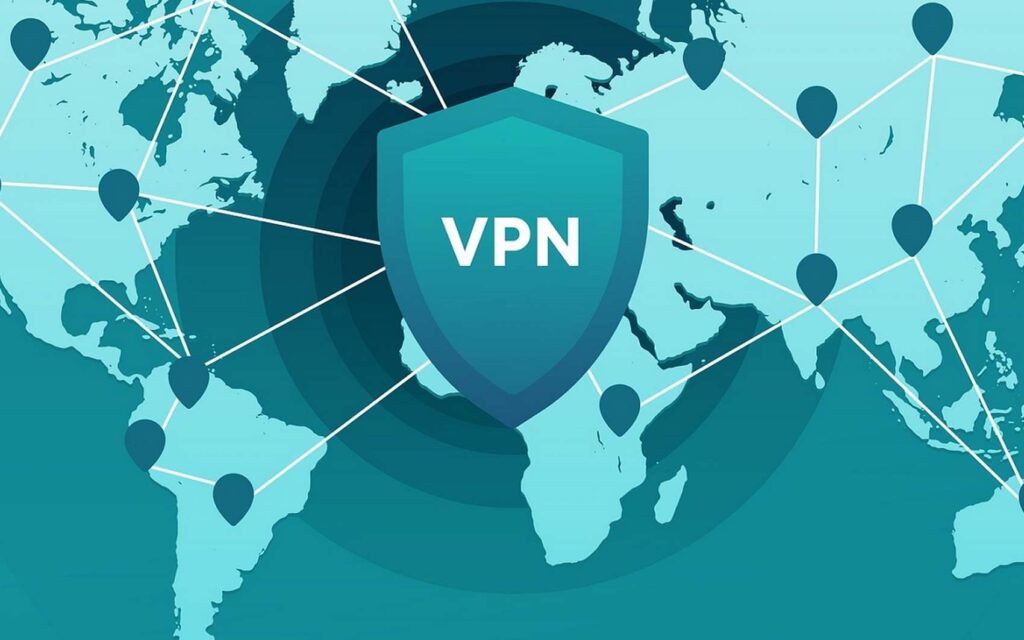
Advantages of Using VPN for Data Protection: A Complete Guide to Security and Privacy
In today's digital world, where the volume of transmitted information grows every day and cyber threats are becoming increasingly sophisticated, ensuring data security comes to the forefront. One of the most effective tools for protecting information is a VPN – a Virtual Private Network. In this article, we will examine in detail the benefits of using a VPN for data protection, how it enhances anonymity, safeguards confidential information, and improves the performance of network systems. You will learn about the operating principles of VPNs, the advantages this technology offers for businesses and private users, and receive practical recommendations for selecting, configuring, and optimizing VPN connections to ensure maximum protection.
Introduction: The Importance of Data Protection in the Digital Age
Today, nearly every internet user faces the need to protect their information. Data breaches, hacker attacks, and the monitoring of online activity have become real threats for both large corporations and private individuals. Using a VPN not only hides your real IP address and ensures anonymity but also creates a secure tunnel for data transmission, making it an indispensable tool in the fight against cybercrime. In this context, the advantages of using a VPN for data protection become especially significant, as they help minimize the risk of leaks, secure financial information and private correspondence, and maintain confidentiality when working with corporate resources.
What Is a VPN and How Does It Work?
A VPN (Virtual Private Network) is a technology that allows you to create an encrypted connection between your device and a VPN server, through which all internet traffic is then transmitted. The main functions of a VPN include:
- Data Encryption: All transmitted data is protected using modern encryption algorithms, such as AES-256, making it inaccessible to eavesdroppers.
- Hiding the Real IP Address: When you connect to a VPN, your device is assigned the server’s IP address, which helps maintain anonymity and conceal your location.
- Secure Connection: A VPN creates a secure tunnel through which data passes, minimizing the risk of data leaks and cyberattacks even when using public Wi-Fi networks.
- Bypassing Censorship and Blocks: A VPN allows you to access resources that may be blocked or restricted in your country or region.
These core functions explain why VPNs are becoming increasingly popular as a tool for ensuring data security on the internet.
Main Advantages of Using a VPN for Data Protection
The benefits of using a VPN for data protection cover a wide range of security and convenience aspects. Let’s examine them in detail:
1. Enhanced Anonymity
One of the primary advantages of a VPN is the ability to hide the user’s real IP address. This is achieved by routing internet traffic through VPN servers located in various regions. As a result:
- Your location becomes inaccessible to external observers;
- Monitoring of your online activity is more difficult, enhancing your privacy;
- You gain the ability to work anonymously, which is particularly important for journalists, activists, and business users looking to protect corporate information.
2. Protection of Transmitted Data
A VPN encrypts all transmitted data, making it useless for eavesdroppers and hackers. This is especially important when using public Wi-Fi networks, where the risk of leaking confidential information is high:
- Encryption protects personal data, financial information, and business correspondence;
- A secure tunnel prevents unauthorized access and ensures data integrity;
- Modern encryption algorithms, such as AES-256, guarantee that even if data is intercepted, decrypting it will be virtually impossible.
3. Bypassing Blocks and Censorship
A VPN enables you to bypass regional restrictions and blocks imposed by ISPs or government authorities. This provides the ability to:
- Access websites and services that may be blocked in your region;
- Support international projects by ensuring access to resources from different countries;
- Expand marketing and research opportunities by accessing global content without restrictions.
4. Stability and Reliability of the Connection
Using a VPN helps maintain a stable connection even under heavy network load. This is especially important for companies that need to:
- Ensure the uninterrupted operation of corporate services;
- Guarantee high download speeds and minimize latency;
- Maintain stability for remote access to corporate resources.
5. Protection Against Cyberattacks
A VPN helps create an additional layer of defense against various cyberattacks such as DDoS attacks, phishing, and malware. This is achieved by:
- Hiding your real IP address, making it more difficult for hackers to target you;
- Encrypting traffic, which prevents data interception;
- Regularly updating security protocols and integrating modern protection methods.
How to Choose a VPN Service: Key Criteria
To make the most of the benefits of a VPN for data protection, it is important to select the right service. Here are the main criteria to consider:
- Encryption Level: Pay attention to the encryption algorithms used (for example, AES-256), which are a guarantee of data security during transmission.
- Connection Speed: Check the speed and latency statistics. The service should provide a stable and fast connection, which is important for real-time operations.
- Geographic Coverage: Choose VPN services with servers in the regions you need. This allows you to bypass regional restrictions and access content from various countries.
- Privacy Policy: Ensure that the provider does not log user activity and adheres to a strict privacy policy.
- Device Compatibility: The VPN should support a wide range of platforms – from PCs and smartphones to routers and smart devices.
- Quality of Technical Support: Round-the-clock support and prompt resolution of issues are crucial for effective service usage.
- User Reviews and Ratings: Check other users’ feedback to be sure of the reliability and quality of the service.
Practical Guide to Setting Up a VPN for Data Protection
After choosing a suitable VPN service, it is important to properly configure the connection to achieve maximum security and speed optimization. Below are the key steps for setup:
Step 1: Install the VPN Client
Download and install the software provided by your VPN provider. Most services offer versions for various operating systems (Windows, macOS, Linux, Android, iOS), enabling you to use the VPN on all your devices.
Step 2: Choose a Server
After installation, launch the VPN client and choose a server that meets your requirements. If your goal is to bypass regional blocks, select a server in the required region. For optimal speed, choose servers with minimal latency.
Step 3: Configure Security Settings
Ensure that the following features are enabled in your VPN settings:
- Traffic Encryption: Choose a modern encryption protocol such as OpenVPN, WireGuard, or IKEv2 to secure your data.
- Automatic Connection: Enable the automatic connection feature at startup to ensure constant protection.
- Kill Switch: Activate the Kill Switch, which automatically disconnects your internet in case the VPN connection drops, preventing data leaks.
Step 4: Test the Connection
After configuring the VPN, perform tests using specialized services to check speed, stability, and the level of anonymity. This will ensure that your VPN is working correctly and providing the necessary data protection.
Step 5: Integrate with Other Security Systems
For maximum security, it is recommended to integrate your VPN with other protective tools such as proxy servers and antivirus software. This helps create a multi-layered security system that safeguards you against a wide range of cyber threats.
Case Studies of VPN Use for Data Protection
Here are a few examples where using a VPN significantly increased data protection and ensured stable IT system performance:
Case 1: Protecting Corporate Networks
A large company dealing with confidential information implemented a VPN to protect its internal network. This allowed employees to securely access corporate resources even when working remotely. The use of a VPN greatly reduced the risk of data breaches and provided the stable connection necessary for handling large volumes of information.
Case 2: Bypassing Regional Blocks
An international marketing agency used a VPN to bypass geographic restrictions while collecting data from foreign websites. This enabled the agency to access the necessary analytics, which helped adjust their advertising strategies and improve campaign results.
Case 3: Protecting Personal Information
A private user regularly working on public Wi-Fi networks installed a VPN to protect personal information. This allowed them to safely conduct financial transactions, use social networks, and view content without fear of data interception by malicious actors.
Case 4: Enhancing Network Application Performance
A company specializing in web application development integrated a VPN into its IT infrastructure to optimize data routing and reduce latency. This improved the speed and stability of the applications, ensuring a reliable connection even under high network load.
Risks and Limitations of Using VPN
Despite its obvious advantages, using a VPN also has its risks and limitations, which include:
- Reduced Connection Speed: Encrypting data can slightly slow down transmission, especially if outdated protocols or overloaded servers are used.
- Need to Trust the Provider: Since your internet traffic passes through the VPN provider’s servers, it is important to choose a service with a transparent privacy policy and a strong reputation.
- Potential Incompatibility: Some applications and services may not work correctly through a VPN connection, requiring additional configuration.
- Limitations of Free Services: Free VPNs often have restrictions on speed, data volume, and encryption levels, which may reduce their effectiveness.
Future Trends in VPN Use for Data Protection
With the advancement of technology and increasing data transmission volumes, VPN services continue to evolve. Key trends in this area include:
- Enhanced Security Measures: The development of new encryption algorithms and the integration of multi-factor authentication will help achieve an even higher level of data protection.
- Optimized Routing: The use of artificial intelligence and machine learning to select the optimal data routes will help reduce latency and increase connection speeds.
- Integration with Cloud Technologies: Cloud-based VPN solutions will provide flexibility and scalability, allowing services to adapt to rapidly changing business needs.
- Development of Mobile VPNs: As mobile device usage grows, technologies for ensuring stable and secure access to mobile applications will continue to improve.
- Improved Transparency and Analytics: New monitoring tools will help users and administrators optimize network performance and respond quickly to traffic changes.
Conclusion: Your Path to a Secure Internet
Using a VPN for data protection is not just a way to maintain anonymity—it is a necessary step toward creating a secure, reliable, and efficient IT infrastructure. The advantages of using a VPN for data protection are clear: safeguarding confidential information, bypassing blocks, optimizing routing, and enhancing the stability of internet connections. Modern VPN services provide robust encryption, hide your real IP address, and create a secure tunnel for data transmission, making them indispensable for both corporate and personal use.
To achieve maximum effectiveness, it is crucial to choose the right VPN service, configure it according to your requirements, and integrate it into your overall IT strategy. Regular testing, monitoring, and system updates will allow you to detect and resolve vulnerabilities promptly, ensuring reliable protection even in a constantly changing digital environment.
Thus, the advantages of using a VPN for data protection are clear and multifaceted. Investing in a high-quality VPN service is an investment in the security, performance, and confidentiality of your online operations. Proper use of this technology will help you reduce data leakage risks, ensure a stable connection, and remain competitive in today's digital world.
Conclusions
In summary, the advantages of using a VPN for data protection are a key element of modern information security strategy. A VPN provides:
- Reliable encryption and protection of transmitted data;
- Hiding the real IP address and enhancing anonymity;
- Bypassing geographic and censorship restrictions;
- Optimizing routing and increasing connection speeds;
- Protection against cyberattacks and data leaks.
Choosing the right VPN service, configuring it properly, and regularly updating the system will help create a secure environment for data handling, reduce operational risks, and ensure a high level of confidentiality for both businesses and private users. Investing in technologies that provide the advantages of using a VPN for data protection is an integral part of a successful strategy in today’s rapidly evolving digital world.
View Plans

Residential Proxies: What They Are and Why They're Better for Certain Tasks
IPv4 and IPv6: Differences and Which Protocol to Choose for Proxies

Mobile Proxies for Business and Personal Use: Where to Buy
SOCKS5 vs HTTP: Comparing Proxy Types and Choosing for Your Tasks
HTTPS: Security Protocol and Its Role in Proxy Operations