
 Русский
 English
 Українська
 Deutsch
 Español
HTTP Proxies: A Complete Guide to Choosing, Configuring, and Using Them for an Efficient Internet Connection
In today’s world, where internet speed, data protection, and anonymity are critical for both businesses and private users, the solution http-proksi has become one of the key tools for ensuring a reliable and stable connection. HTTP proxy servers not only help hide the user's real IP address but also optimize data routing, bypass regional blocks, and improve the performance of online services. In this guide, we will thoroughly review what HTTP proxies are, their main advantages, operating features, and provide practical recommendations for selecting, configuring, and integrating this solution into your IT infrastructure.
Introduction: The Importance of HTTP Proxies for the Modern Internet
Today, internet users face numerous restrictions—from censorship to unstable connections and security threats. The http-proksi solution addresses many of these issues by providing a high level of anonymity and speeding up access to the necessary resources. HTTP proxies are particularly relevant for web marketing, data scraping, analytics, and protecting personal information. They allow you to:
- Hide your real IP address and increase anonymity;
- Bypass geographic blocks and censorship;
- Optimize data routing to improve connection speed;
- Enhance the protection of transmitted information;
- Integrate the solution into your existing IT infrastructure with minimal cost.
What Are HTTP Proxies and How Do They Work?
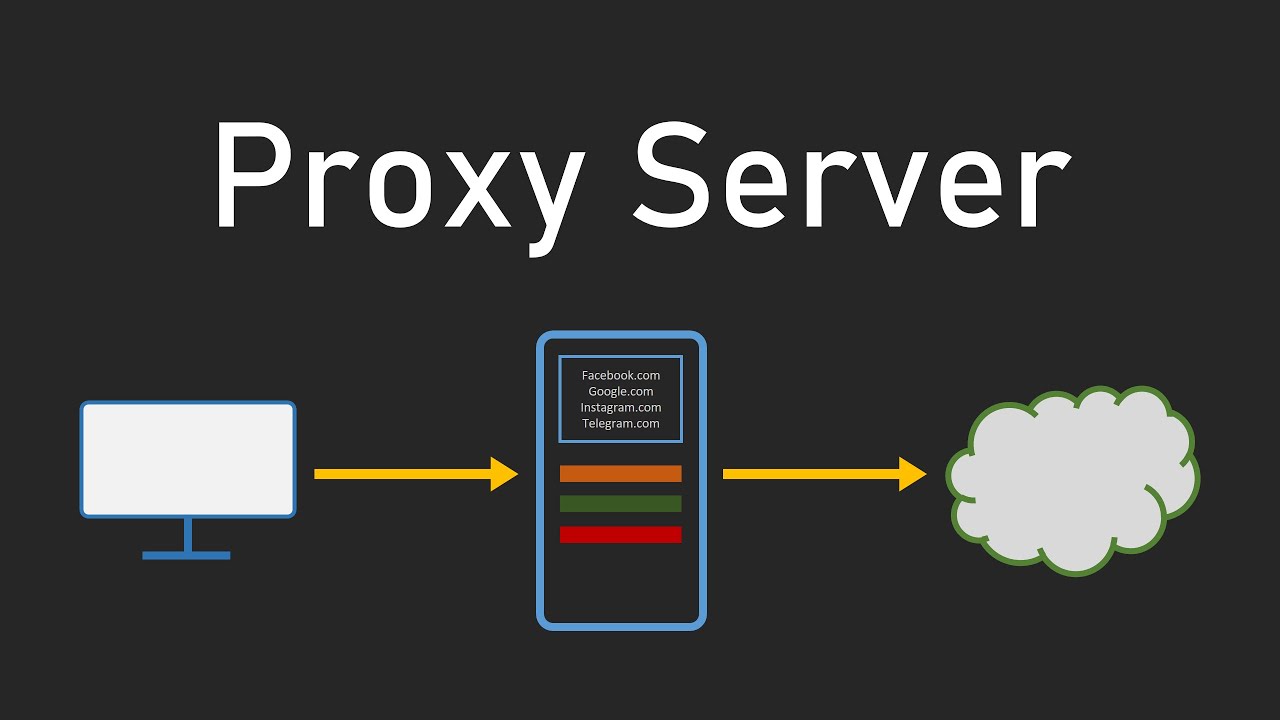
HTTP proxies are a type of proxy server that works with HTTP and HTTPS traffic. They act as an intermediary between your device and the web server by forwarding requests and hiding your original IP address. The basic mechanism of HTTP proxy operation is as follows:
- Request Initialization: The user enters a website address in their browser or accesses an online service. The request is sent to the HTTP proxy.
- Request Processing: The proxy server receives the request, modifies its headers, and replaces the real IP address with its own.
- Request Forwarding: After processing, the request is sent to the target server, which returns the data to the proxy server.
- Data Return to the User: The proxy passes the received data back to the user, ensuring anonymity and protecting the connection.
Thus, HTTP proxies not only hide personal information but can also improve access speed by optimizing traffic routing.
Advantages of Using HTTP Proxies
Let’s review the main advantages provided by using http-proksi:
- High Level of Anonymity: Hiding your real IP address helps protect your personal data and prevent tracking of your online activity.
- Bypassing Blocks and Censorship: HTTP proxies allow you to access web resources that may be restricted due to geographic location or censorship.
- Optimized Connection Speed: By routing requests properly, HTTP proxies can reduce latency and increase webpage loading speed.
- Accessibility and Ease of Use: Many services offer HTTP proxies for free or at an affordable price, making them attractive to a wide range of users.
- Flexibility in Configuration: HTTP proxies easily integrate with various applications and services, allowing them to be adapted for specific tasks such as web marketing or analytics.
Main Criteria for Choosing a Reliable HTTP Proxy
To answer the question “how to choose a reliable proxy,” you need to consider the following key factors:
1. Speed and Performance
A reliable HTTP proxy should provide fast data transmission and minimal response time. This is particularly important for tasks such as streaming video, online gaming, and general browsing. When choosing a proxy, consider:
- Speed test results;
- User reviews regarding connection stability;
- The availability of high-bandwidth servers.
2. Level of Anonymity and Security
Protecting personal and corporate data is one of the primary reasons for using proxy servers. To choose a reliable proxy, ensure that:
- The server effectively hides your real IP address;
- Modern data encryption methods are employed;
- The provider follows a strict privacy policy and does not log user activity.
3. Stability and Reliability
For uninterrupted operation, a reliable HTTP proxy must be stable and resilient under heavy load. Key characteristics include:
- Systems for redundancy and load balancing;
- Consistent performance with minimal downtime;
- Responsive technical support from the provider.
4. Geographic Coverage
Selecting servers located in the regions you need helps optimize connection speed and provides access to geographically restricted resources. When choosing an HTTP proxy, consider:
- The number of servers available in your desired regions;
- The ability to choose a specific server location;
- Speed and latency metrics for servers in those regions.
5. Cost and Tariff Plans
While quality and security are priorities, the cost of the service is also important. A reliable HTTP proxy should offer a reasonable price-to-quality ratio. Consider:
- Flexible tariff plans that allow you to scale the service as your needs grow;
- Availability of a trial period to evaluate the service before committing long-term;
- Special offers and discounts for regular customers.
6. Provider Reputation and User Reviews
The reputation of the supplier and user reviews are key indicators of service reliability. Before making a decision, carefully research:
- Independent reviews and recommendations;
- The provider’s market experience and service history;
- Ratings and feedback regarding technical support and server stability.
A Step-by-Step Guide to Choosing and Configuring an HTTP Proxy
To choose a reliable HTTP proxy and ensure its effective use, follow these steps:
Step 1: Define Your Goals and Tasks
First, clearly determine the purpose for which you need an HTTP proxy. This may include:
- Ensuring anonymity while browsing the internet;
- Bypassing regional blocks and censorship;
- Optimizing webpage loading speeds;
- Data scraping for analytics and marketing research.
A clear understanding of your goals will help narrow your search and choose the optimal solution.
Step 2: Research the Market and Analyze Offers
Conduct an analysis of various HTTP proxy providers by comparing their tariffs, technical specifications, and user reviews. This will give you an objective understanding of the quality of services and help you select the most suitable option.
Step 3: Test the Selected Services
Before finalizing your choice, be sure to test the services:
- Measure the connection speed and response time;
- Test stability over several hours;
- Evaluate the level of anonymity by ensuring your real IP remains hidden;
- Compare test results with the data provided by the supplier.
Step 4: Configure and Integrate into Your System
After selecting the optimal HTTP proxy, configure it according to your needs:
- Set up connection parameters (IP address, port, protocol);
- Integrate the proxy server with your applications and browsers;
- If necessary, configure automatic IP rotation to enhance anonymity.
Step 5: Monitor and Optimize Performance
Once the service is in place, it is important to regularly monitor its performance:
- Conduct regular speed and stability tests;
- Keep an eye on user feedback and respond promptly to any issues;
- Update settings and software to maintain maximum efficiency.
Benefits for Business and Personal Use
A reliable HTTP proxy is suitable for both corporate needs and personal use:
- For Business: Ensuring data security, bypassing blocks, and optimizing network processes can increase employee efficiency and improve customer service quality.
- For Personal Use: Protecting personal information, bypassing censorship, and providing fast access to needed resources enhance privacy and comfort while using the internet.
- Versatility: HTTP proxies easily integrate with various systems and applications, making them a universal solution for a wide range of tasks.
Advantages of Combining HTTP Proxies with Other Technologies
Sometimes, to achieve maximum protection and optimize the connection, it is beneficial to combine HTTP proxies with other technologies:
- VPN: Using VPNs together with HTTP proxies provides double encryption and increases anonymity, which is especially important for corporate users.
- IP Rotation: Implementing automatic IP rotation through HTTP proxies reduces the risk of blocks and ensures continuous connection updates.
- Data Caching: Some services offer caching capabilities that can significantly speed up access to frequently used resources.
Combining technologies allows you to create a multi-layered system of protection and optimization that meets the highest standards of security and performance.
Case Studies of Successful HTTP Proxy Implementation
Below are some real-world examples demonstrating the effectiveness of reliable HTTP proxies:
Case 1: Optimizing Websites and Data Scraping
A marketing agency specializing in SEO analytics used HTTP proxies to collect data from various websites. Thanks to a reliable and fast connection, the agency was able to bypass regional blocks, analyze competitor rankings, and optimize advertising campaigns. The result was improved marketing strategies and higher search engine rankings for clients.
Case 2: Protecting Corporate Networks
A large company dealing with confidential data integrated an HTTP proxy to provide secure remote access to corporate resources. The service helped hide internal IP addresses and add an extra layer of protection, reducing the risk of cyberattacks and data breaches.
Case 3: Testing and Developing Web Applications
A web development company used HTTP proxies to simulate user activity from different regions during application testing. This allowed them to identify and eliminate bottlenecks in functionality, optimize application performance, and increase user satisfaction.
Case 4: Anonymous Browsing and Censorship Bypass
A private user, seeking to protect personal information and maintain anonymity while browsing, used an HTTP proxy to bypass regional blocks and hide their real IP address. This enabled safe access to content, social networks, and financial transactions without the risk of data leaks.
Problems and Limitations of HTTP Proxies
Despite numerous advantages, the use of HTTP proxies can come with certain limitations:
- Low Speed Under High Load: With many simultaneous connections, speed may drop due to server overload.
- Limited Support for Non-Standard Protocols: HTTP proxies are primarily designed for web traffic, which can restrict their use for some specialized tasks.
- Risk of Data Leaks: Insufficient encryption or misconfiguration can lead to the leakage of confidential information.
- IP Blocking: Some web services actively block known proxy server IP addresses, which can reduce content accessibility.
Future Trends in HTTP Proxy Development
Given the growing demands for security and performance, HTTP proxy technologies continue to evolve. Key future trends include:
- Enhanced Security Measures: The implementation of modern encryption algorithms and automatic IP rotation will increase anonymity.
- Optimization of Speed and Stability: The use of artificial intelligence for analyzing server load and selecting optimal data routes will reduce latency and improve connection speed.
- Integration with Cloud Services: Cloud-based solutions will offer flexibility, scalability, and high availability, adapting to rapidly changing market demands.
- Expansion of Functionality: Adding features such as caching, content filtering, and real-time analytics will make HTTP proxies even more versatile for both business and personal use.
Conclusion: The Final Strategy for Choosing a Reliable HTTP Proxy
Choosing a reliable HTTP proxy is a critical step in ensuring security, anonymity, and optimal internet performance. The answer to “how to choose a reliable proxy” lies in carefully analyzing key criteria such as connection speed, encryption level, stability, geographic coverage, tariff plans, and the provider's reputation. A well-chosen HTTP proxy will:
- Protect personal and corporate data by ensuring high levels of anonymity;
- Bypass regional blocks and censorship, providing unrestricted access to content;
- Optimize performance and increase internet speed, which is crucial for business processes and online entertainment;
- Reduce operational costs through flexible tariff plans and scalability.
When selecting and configuring an HTTP proxy, it is important to regularly test, update software, and monitor new security trends. A comprehensive approach to integrating HTTP proxies into your IT infrastructure will ensure a secure, fast, and reliable connection, which is the foundation for success in today’s digital world.
Conclusions
Thus, the benefits of using http-proksi are clear: reliability, speed, anonymity, and flexibility make them an indispensable tool for both businesses and private users. A wise choice and proper configuration of an HTTP proxy server enable you to:
- Ensure a high level of anonymity and protect confidential information;
- Optimize connection speed and stability, which is especially important for corporate users and business processes;
- Bypass geographic restrictions and access blocked resources;
- Reduce operational costs through effective traffic distribution;
- Integrate into a comprehensive security system to enhance data protection and prevent cyberattacks.
The right choice and proper configuration of an HTTP proxy are the foundations for successful operation in an environment with ever-growing demands for speed and security. Investing in quality solutions is a strategic move that ensures competitiveness and protects both personal and corporate data. The answer to “how to choose a reliable proxy” becomes the basis for building a secure IT infrastructure capable of meeting even the most demanding user needs.
View Plans

Residential Proxies: What They Are and Why They're Better for Certain Tasks
IPv4 and IPv6: Differences and Which Protocol to Choose for Proxies

Mobile Proxies for Business and Personal Use: Where to Buy

SOCKS5 vs HTTP: Comparing Proxy Types and Choosing for Your Tasks

HTTPS: Security Protocol and Its Role in Proxy Operations