
 Русский
 English
 Українська
 Deutsch
 Español
What Is Port Rotation: A Complete Guide to Optimizing Network Traffic and Enhancing Security
In today’s world, where information technology plays a key role in every aspect of business and personal use, the issues of network traffic optimization and connection security are becoming increasingly relevant. One of the effective methods to improve the stability and anonymity of network communications is port rotation. This article explains in detail what port rotation is, how it works, the advantages it offers, and the tasks it can be used for. We will review the basic operating principles, provide practical recommendations for configuration and integration, and present real-world case studies to help you understand how this technology can enhance the performance of your IT systems.
Introduction: The Importance of Port Rotation in Modern Network Communication
Modern networks and internet connections are exposed to various threats, from overloads and blocks to attempts at unauthorized data access. In this context, port rotation becomes an important tool that allows you to optimize data transmission routes, reduce the risk of detection and blocks, and enhance overall network security. Proper port rotation configuration can help both companies and private users achieve high connection speeds and reliable protection—an essential condition for success in an environment of growing competition and constant cyber threats.
What Is Port Rotation?
Port rotation is the process of regularly changing the port numbers used to establish network connections. Unlike static configurations, where the same port is used continuously, port rotation involves periodically switching the port through which communication occurs. This approach helps to:
- Complicate the task for potential attackers trying to identify and target a specific connection;
- Reduce the risk of blocks on certain ports if a provider or target server monitors traffic;
- Ensure even load distribution among ports, which can positively impact connection speed and stability.
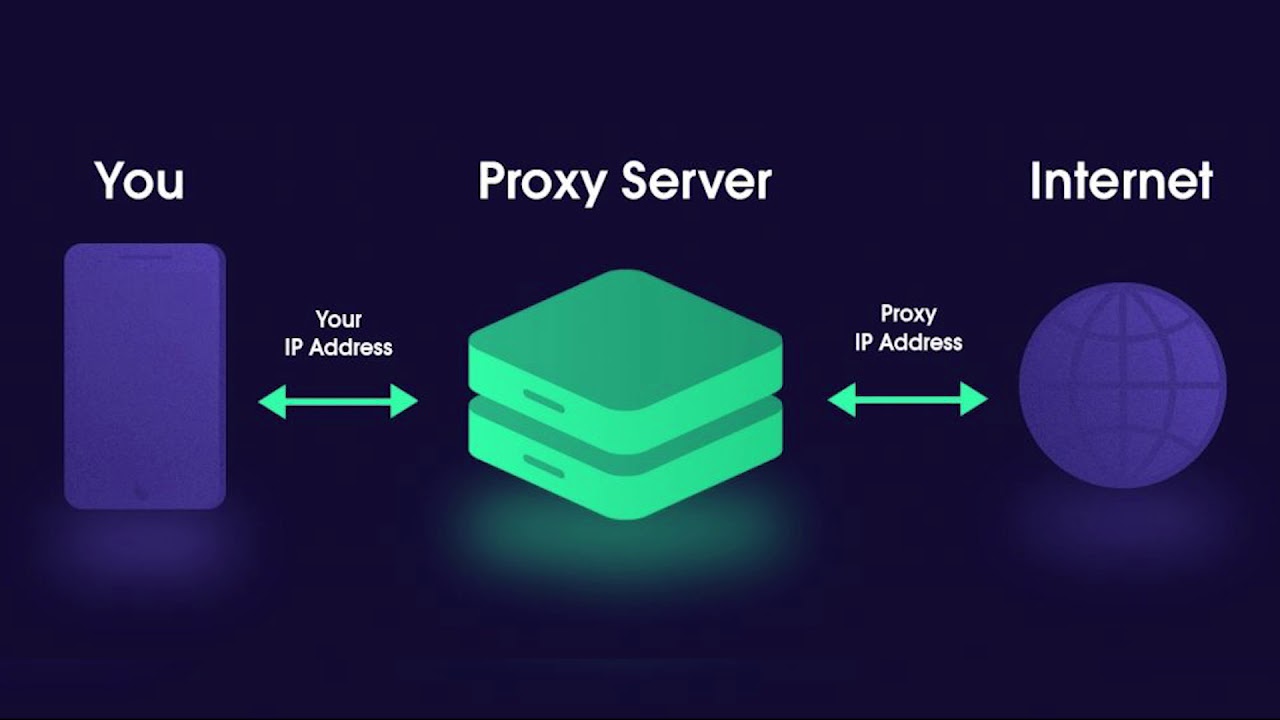
Port rotation is applied in various scenarios, from configuring proxy servers to load balancing in corporate networks. This dynamic configuration of connections is one of the key tools for ensuring data security and optimizing network traffic.
Why Is Port Rotation Needed?
The main reasons to implement port rotation include:
- Increased Anonymity: Changing ports makes it harder for attackers to track a connection, thereby protecting personal and corporate data from unwanted access.
- Eliminating Blocks: Many security systems may block connections if they detect repeated use of the same port. Port rotation helps avoid such blocks, ensuring stable access to resources.
- Reduced Risk of Attacks: When using a static port, attackers can more easily organize DDoS attacks or attempt to breach the system. Port rotation complicates this process and enhances overall security.
- Performance Optimization: Proper load distribution among multiple ports can improve connection speed and reduce latency.
- Load Balancing: Port rotation helps evenly distribute network load, preventing any single port from becoming overloaded and ensuring the system operates steadily.
These reasons demonstrate that port rotation is an essential component of modern IT strategy, contributing not only to data protection but also to the optimization of network communications.
Principles of Port Rotation Operation
Port rotation can be implemented either manually or automatically, depending on the settings and user requirements. The basic principles include:
- Automatic Port Switching: Many modern systems offer an automatic rotation feature, where specific time intervals or conditions trigger a port change.
- Random Port Selection: To enhance anonymity, a random new port is often chosen from a predefined range, making it nearly impossible to predict the port change.
- Maintaining Connection Parameters: Despite the port change, key connection parameters such as IP addresses and data transmission protocols remain unchanged, ensuring operational stability.
- Integration with Other Technologies: Port rotation can be integrated with VPN and proxy servers to create a multi-layered security and optimization system.
Effective port rotation requires proper configuration and regular monitoring, which allows for a quick response to changes in network load and potential threats.
Applications of Port Rotation in Various Fields
Port rotation is widely used in different areas, such as:
- Proxy Servers: In proxy systems, port rotation provides additional anonymity by complicating the tracking of user activity and preventing blocks by target services.
- Corporate Networks: For large companies, port rotation helps balance network load and secure internal communications, thereby enhancing overall IT infrastructure resilience.
- Security Systems: Port rotation is used to protect against DDoS attacks and other cyber threats by reducing the risk of identifying and attacking specific ports.
- Cloud Services and Hosting: In cloud solutions, port rotation optimizes data routing and improves access speeds to applications.
- Mobile Applications: In mobile networks, where connections frequently change, port rotation helps ensure stable and reliable resource access.
These examples demonstrate the versatility of port rotation and underscore its importance in modern network communications.
Benefits of Port Rotation for Security and Performance
Let’s consider the main benefits of using port rotation:
- Increased Anonymity: Constant port changes make it more difficult to track user activity, thereby enhancing privacy and data security.
- Reduced Risk of Blocks: Port rotation helps avoid situations where a single port is blocked by security systems or ISPs, ensuring continuous access to resources.
- Improved Connection Stability: Distributing the load among multiple ports prevents overload, thereby enhancing connection speed and stability.
- Protection Against Cyberattacks: Dynamic port switching complicates targeted attacks on specific ports, reducing the risk of DDoS and other hacking attempts.
- Flexibility and Scalability: Port rotation systems can be easily integrated into existing IT infrastructures and adapted for various tasks, making them indispensable for businesses.
Practical Recommendations for Configuring Port Rotation
To effectively use port rotation technology, follow these recommendations:
- Define a Range of Ports: Set a range of ports to be used for rotation. The wider the range, the harder it is for an attacker to predict the current port.
- Configure Switching Intervals: Establish how frequently the ports will be changed. This may depend on traffic intensity and application specifics.
- Integrate with Automated Systems: Use software that supports automatic port rotation to minimize human error and ensure consistent performance.
- Monitoring and Auditing: Regularly monitor the system, analyze connection speed and stability, and adjust settings as needed.
- Backup Your Configuration: Keep copies of configuration files and regularly update them to quickly restore the system in case of failure.
Case Studies and Examples of Port Rotation Usage
To better understand how port rotation can be applied in practice, consider these real-world examples:
Case 1: Proxy Servers for Marketing
A marketing agency engaged in data scraping from various websites used port rotation to ensure stable and anonymous access to target resources. Automatic port switching allowed the agency to avoid blocks and increase the accuracy of the collected data, ultimately optimizing advertising campaigns and improving client search rankings.
Case 2: Protecting Corporate Networks
A large company handling confidential data integrated port rotation into its security system to protect internal communications. This helped hide the true entry points into the network and reduced the risk of targeted attacks, ensuring high security for remote access by employees.
Case 3: Optimizing Cloud Services
A cloud service provider implemented port rotation to optimize data routing between servers and users. Automated rotation reduced latency, evenly distributed the load, and increased overall connection speed, positively impacting service performance.
Case 4: Securing Mobile Applications
Mobile app developers used port rotation for testing and ensuring the security of their services. This allowed them to simulate real user conditions, identify vulnerabilities, and promptly apply necessary changes, significantly improving the quality of the final product.
Benefits of Port Rotation for Business
For corporate users, using port rotation offers several advantages:
- Protection Against Targeted Attacks: Constant port switching makes it more difficult for attackers to identify and target a specific connection.
- Stability and High Performance: Evenly distributing the load among multiple ports reduces the risk of overload and ensures stable IT system performance.
- Flexible Configuration: Port rotation systems can be adapted to various conditions and requirements, making them scalable for business needs.
- Increased Anonymity: Dynamic port switching significantly enhances user anonymity, which is crucial for companies handling sensitive data.
Benefits of Port Rotation for Personal Users
In addition to corporate applications, port rotation offers significant benefits for individual users:
- Protection of Personal Information: Port rotation helps maintain anonymity while browsing, protecting personal data from tracking and unauthorized access.
- Bypassing Blocks: Private users can use port rotation to bypass regional restrictions and censorship, gaining access to blocked content.
- Optimized Internet Connection: By evenly distributing the load, port rotation can contribute to increased connection speed and stability.
Future Trends in Port Rotation Technology
As technology advances and security requirements increase, port rotation continues to evolve. Key future trends include:
- Integration with Artificial Intelligence: Using AI algorithms to analyze load and optimize traffic distribution will further enhance the efficiency of port rotation.
- Automation: Development of software that automatically adjusts port switching intervals based on current network load will make systems more adaptive.
- Enhanced Security Measures: Integrating modern encryption and authentication methods with port rotation will raise the overall security level of network connections.
- Cloud Integration: Cloud-based solutions will allow for scalable port rotation systems that adapt to rapidly changing market conditions.
- Improved User Experience: The development of intuitive interfaces and monitoring systems will enable users to easily manage port rotation settings and respond quickly to network changes.
Conclusion: The Final Strategy for Applying Port Rotation
In conclusion, port rotation is an indispensable tool for enhancing security, optimizing connections, and ensuring high performance of network systems. The answer to “what is port rotation” lies in understanding how the dynamic switching of ports helps hide real traffic, distribute load, and prevent blocks—an essential factor for both business and personal use.
The main advantages of port rotation include:
- Increased anonymity and data protection;
- Reduced risk of blocks and targeted attacks;
- Optimized connection speed and stability;
- Flexibility and scalability of the solution;
- Effective load distribution across network resources.
To achieve maximum efficiency, it is recommended to carefully configure the port rotation system, regularly monitor and optimize settings, and integrate this solution with other security technologies such as VPNs and cloud services. This comprehensive approach will help you build a reliable IT infrastructure that meets the highest standards of security and performance in today’s ever-changing digital environment.
Conclusions
Thus, the technology what is port rotation is an important tool for enhancing security, optimizing internet connections, and ensuring the stable operation of network systems. Port rotation helps:
- Conceal real connection data, increasing anonymity;
- Maintain stable connections even under high load;
- Reduce the risk of blocks and targeted attacks;
- Optimize data routing to increase connection speed;
- Provide flexibility and scalability for IT solutions for both businesses and personal users.
Proper configuration and regular updates of the port rotation system, along with integration with other security technologies, will allow you to build a secure and efficient network that meets modern demands for security and performance. The technology of port rotation is becoming an essential element of modern IT strategy, opening new opportunities for data optimization and protection in an ever-changing digital landscape.
View Plans

Residential Proxies: What They Are and Why They're Better for Certain Tasks
IPv4 and IPv6: Differences and Which Protocol to Choose for Proxies

Mobile Proxies for Business and Personal Use: Where to Buy
SOCKS5 vs HTTP: Comparing Proxy Types and Choosing for Your Tasks

HTTPS: Security Protocol and Its Role in Proxy Operations