
 Русский
 English
 Українська
 Deutsch
 Español
Free Online Proxy Servers: A Complete Guide to Usage, Advantages, and Limitations
In the digital age and in a globally interconnected world, issues of anonymity and security on the internet are becoming increasingly relevant. One way to maintain confidentiality and gain access to blocked resources is through free online proxy servers. In this article, we will thoroughly examine what free proxy servers are, how they work, their advantages and disadvantages, and provide practical recommendations for their use. This guide will be useful for both private users and information security and marketing professionals who seek to optimize their online work.
Introduction: Why Choose Free Online Proxy Servers
Free online proxy servers are services that allow you to redirect internet traffic through intermediary servers, thereby hiding your real IP address. These solutions are popular due to their accessibility and the basic level of anonymity they provide when browsing the internet. Many people choose free proxies to bypass blocks, access regionally restricted content, and protect their personal information from tracking. However, despite their advantages, free proxies also have certain limitations and risks, which we will discuss below.
How Free Online Proxy Servers Work
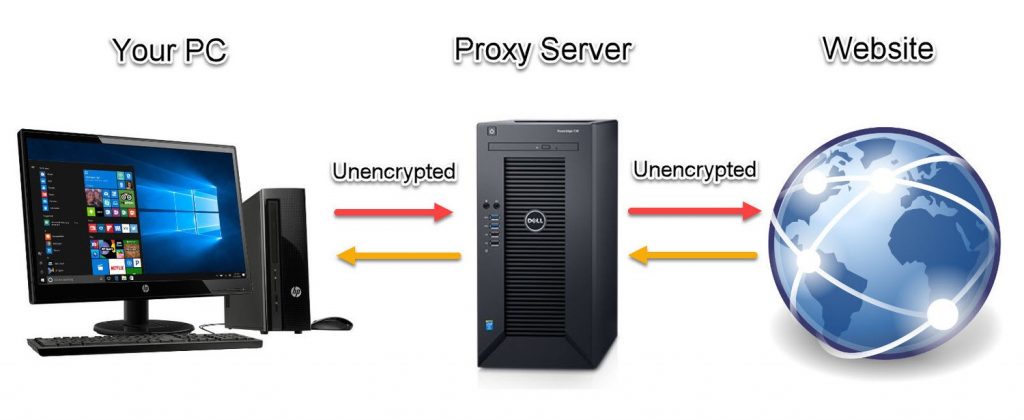
The technology behind free proxy servers is based on routing user requests through an intermediary server, which then requests the desired information from the target resource. In doing so, the proxy server masks the user's real IP address by replacing it with its own, thereby maintaining anonymity. The process can be described in the following steps:
- Sending a Request: The user enters a URL in a browser or a special proxy application, and the request is sent to the selected free proxy server.
- Redirecting the Request: The proxy server receives the request, modifies the headers to hide the real IP address, and then forwards the request to the target website.
- Receiving Data: The target website returns the data to the proxy server, which then passes it back to the user.
- Displaying the Result: The user receives the requested information, while the real IP address remains hidden.
This approach not only helps maintain anonymity but also provides access to resources that may be blocked in certain regions.
Advantages of Free Online Proxy Servers
Free online proxy servers have several advantages that make them an attractive solution for a wide range of users:
- Accessibility: The primary advantage of free proxies is that they require no financial investment. This allows users to try out the technology without spending money.
- Anonymity: Free proxies help hide your real IP address, which protects your personal data and prevents tracking of your online activity.
- Bypassing Blocks: Using proxy servers allows you to access blocked websites and services, which is especially important for users in regions with internet censorship.
- Ease of Use: Free proxies are often available as online services, simplifying their use without the need to install additional software.
- Testing Opportunity: Free solutions allow you to evaluate the effectiveness of proxy technology before investing in paid, more reliable services.
Main Disadvantages and Limitations of Free Proxy Servers
Despite their clear advantages, free online proxy servers come with several significant limitations that must be taken into account:
- Low Speed and Stability: Free proxies are often overloaded with users, which can lead to slow page loading times and unstable connections.
- Limited Functionality: Unlike paid solutions, free proxies rarely support modern security protocols and automatic IP rotation, which reduces their overall effectiveness.
- Security Risks: Free proxies may be insecure as they do not guarantee the protection of transmitted data; some may even collect personal information from users for later use.
- Unreliability: Free services often do not provide adequate support, and their operation can be interrupted without notice.
- Limited Access: Some free proxy services offer only a limited number of servers, which can negatively affect geographic coverage and access to specific content.
To minimize these risks, it is recommended to use free proxies only for non-critical tasks where speed or data protection is not crucial, and to combine them with other protective tools such as VPNs.
Criteria for Choosing Free Online Proxy Servers
When selecting a free proxy, it is important to consider several key criteria that will help minimize risks and enhance effectiveness:
- Service Reputation: User reviews and ratings can provide insights into the reliability and quality of the proxy service.
- Connection Speed: Evaluate how quickly the proxy operates, especially if you need to use it for streaming or online broadcasts.
- Anonymity Level: Check how effectively the proxy hides your real IP address and protects your data from leaks.
- Compatibility with Required Applications: Ensure the chosen service supports the necessary protocols (HTTP, HTTPS, SOCKS) and easily integrates with your software.
- Reliability and Uptime: Determine how stable the proxy server is, particularly during peak load times.
- Additional Options: Some free services may offer extra features such as caching, content filtering, or automatic IP rotation. These options can be a deciding factor.
Practical Recommendations for Using Free Online Proxy Servers
To use free online proxies most effectively while minimizing their drawbacks, the following practical tips are recommended:
- Use Proxies for Low-Demand Tasks: Free proxies are best suited for basic tasks such as accessing blocked websites where high speed or strong data protection is not required.
- Limit Use for Confidential Data: Due to potential security risks, it is not recommended to use free proxies for financial transactions or handling personal data.
- Combine with VPNs: For enhanced protection, free proxies can be used in conjunction with VPN services to provide an additional layer of data encryption.
- Regularly Update Your Proxy List: Since the availability of free proxies can change frequently, it is important to update your list of servers regularly to maintain a stable connection.
- Conduct Regular Testing: Use specialized tools to test the speed and reliability of a chosen proxy before using it.
- Do Not Rely Solely on Free Solutions: For tasks requiring high levels of security and stability, consider transitioning to paid services after testing free options.
Integrating Free Proxy Servers into Work Processes
Free online proxy servers can be successfully integrated into work processes if used strategically. Below are some recommendations for integration:
- For Marketing and SEO: Free proxies can be used to bypass blocks when scraping data and monitoring website rankings, helping to collect analytical information necessary for optimizing ad campaigns.
- For Educational and Research Projects: Students and researchers can use free proxies to access educational resources blocked in their region and conduct experiments in information security.
- For Testing Web Applications: Developers can employ free proxies to simulate user activity from different regions, which helps identify access issues and adapt applications to various conditions.
- For Personal Use: Users looking to protect their privacy while browsing can use free proxies to hide their real IP address and bypass censorship.
Risks and Precautions When Using Free Proxies
Although free proxy servers can be useful, their use is associated with certain risks that need to be considered:
- Low Security: Free proxies may not provide adequate protection and sometimes even collect and transmit personal data to third parties.
- Unstable Connection: Due to heavy usage and frequent disconnections, free proxies often operate unstably, which can lead to interruptions.
- Speed and Bandwidth Limitations: Free solutions rarely offer high connection speeds, which can negatively impact streaming, online gaming, and other applications requiring fast data exchange.
- Risk of Blocks: Because free proxies are widely used, their IP addresses may quickly be blacklisted by target services, preventing access to needed content.
- Lack of Technical Support: Free services often do not provide adequate support, so you may have to resolve issues on your own.
To minimize risks, it is advisable to use free proxies only for non-critical tasks and to combine them with other protective measures, such as VPNs.
Comparison of Free and Paid Proxy Servers
When choosing a solution, it is important to understand the differences between free and paid proxy servers:
- Quality and Reliability: Paid proxies generally offer higher speeds, better stability, and higher levels of anonymity compared to free ones.
- Support and Security: Paid services provide technical support, regular updates, and better security measures, making them more suitable for corporate use.
- Cost: Free proxies are attractive due to their zero cost, but their use may involve compromises in quality and increased security and stability risks.
- Configurability: Paid solutions often offer more customization and integration options, allowing them to be tailored to specific business needs.
The choice between free and paid proxies depends on your tasks, budget, and security requirements. For critical business processes, paid solutions are recommended, while free ones may suffice for personal use or simple tasks.
Final Recommendations and Overall Strategy
In conclusion, free online proxy servers represent an accessible solution for achieving basic anonymity and bypassing internet blocks. However, their use comes with certain limitations, such as unstable speeds, lower reliability, and potential security risks. For users who need quick and anonymous access to online resources for non-critical tasks, free proxies can be a good choice. However, for critical operations and corporate use, it is advisable to consider paid solutions that offer higher levels of security, stability, and technical support.
- Assess Your Needs: Clearly define the tasks you plan to use free proxies for and avoid relying on them for critical operations that require a high level of protection.
- Conduct Testing: Regularly check the speed, stability, and level of anonymity of your chosen proxy servers, and update your list to maintain a stable connection.
- Combine with Other Tools: Use free proxies in conjunction with VPNs and other protective measures to enhance security.
- Stay Updated: Keep up with market changes, read reviews and recommendations, and be ready to react to any changes in service quality.
- Use for Testing and Educational Purposes: Free proxies can be an excellent tool for learning, experimentation, and testing, but for serious business tasks, consider more reliable solutions.
Conclusions
Free online proxy servers offer an accessible and convenient tool for achieving a basic level of anonymity and bypassing blocks on the internet. They provide the opportunity to hide your real IP address and access geographically restricted content without financial costs. However, their use is accompanied by several limitations, such as unstable speeds, low reliability, and potential security risks.
For users who require quick and anonymous access for non-demanding tasks, free proxies can be a good choice. Nevertheless, for critical operations and corporate use, it is recommended to consider paid solutions that ensure high levels of protection, stability, and technical support.
The approach to choosing free proxies should be based on a thorough analysis of your requirements, regular testing, and a readiness to compensate for their shortcomings with additional protective measures such as VPNs. A comprehensive approach to ensuring anonymity on the internet will allow you to make the most of free proxy servers while maintaining a high level of security and optimizing your workflows.
View Plans

Residential Proxies: What They Are and Why They're Better for Certain Tasks
IPv4 and IPv6: Differences and Which Protocol to Choose for Proxies

Mobile Proxies for Business and Personal Use: Where to Buy
SOCKS5 vs HTTP: Comparing Proxy Types and Choosing for Your Tasks
HTTPS: Security Protocol and Its Role in Proxy Operations