
 Русский
 English
 Українська
 Deutsch
 Español
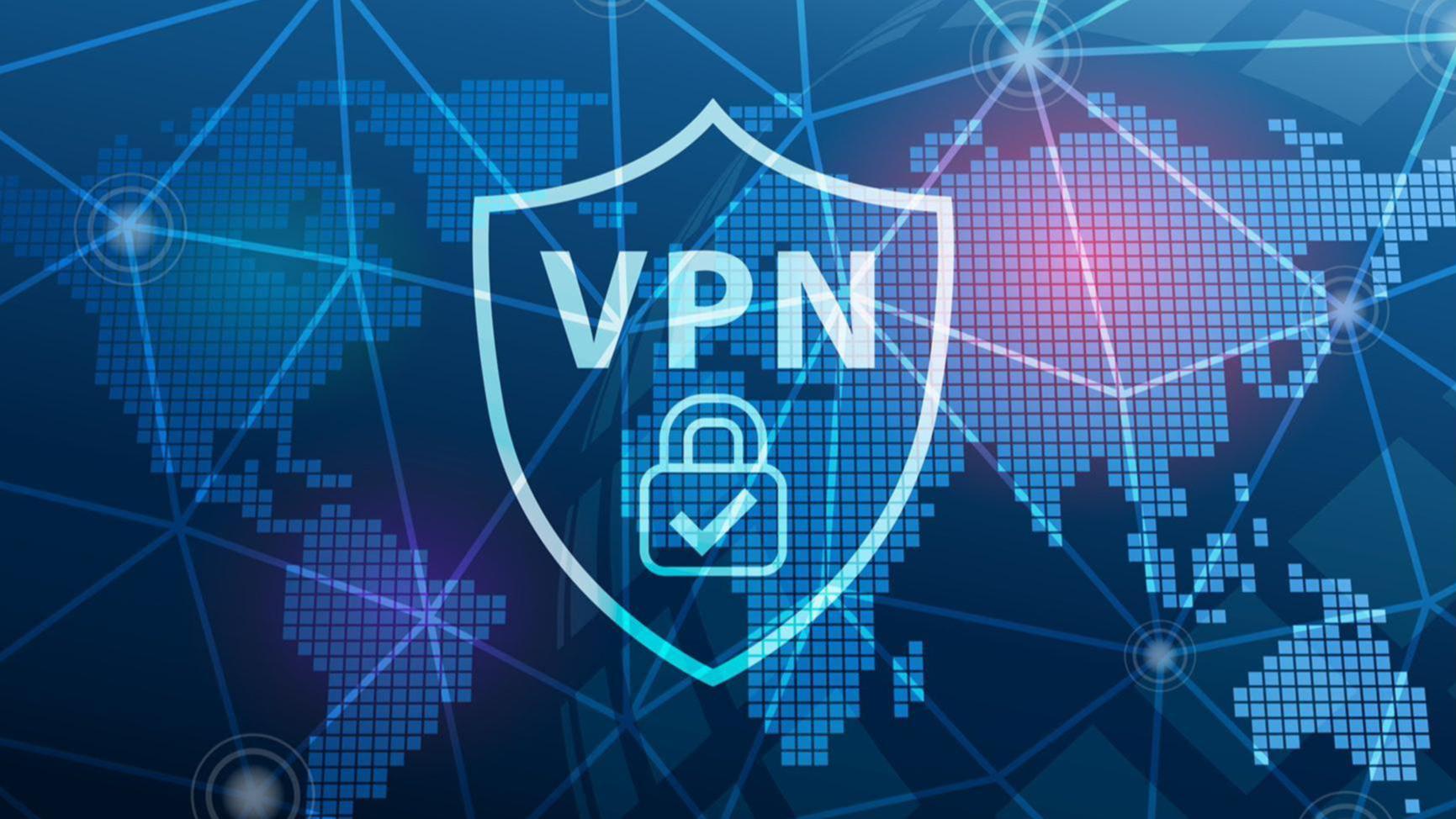
5 Reasons to Use a VPN: Your Key to Security and Internet Freedom
In today’s digital world, where issues of privacy, data security, and unrestricted access to information are increasingly important, VPN technologies play an indispensable role. In this article, we will address the key query 5-reasons-to-use-VPN and describe in detail the five main reasons why using a VPN is essential for both businesses and private users. Learn how a VPN helps protect your data, ensure anonymity, bypass blocks, and even improve connection speed and the overall quality of your internet experience.
Reason 1: Protection of Privacy and Personal Data
One of the main reasons why more and more people are choosing VPNs is to ensure privacy and protect personal information. When you connect through a VPN, your real IP address is hidden behind that of the server, which helps avoid tracking of your online activity. This is especially important in an era of cybercrime, when data breaches and unauthorized access to personal information are becoming more frequent.
- Traffic Encryption: VPN services use modern encryption algorithms such as AES-256, ensuring that your transmitted information remains secure even on public Wi-Fi networks.
- Concealment of Identity: By hiding your real IP address, a VPN protects you from being tracked by advertisers, ISPs, and cybercriminals.
- Protection of Confidential Information: For businesses, this means securing corporate data, and for private individuals, it means protecting personal correspondence and financial transactions.
Thus, 5-reasons-to-use-VPN starts with protecting privacy, which is a key aspect in the face of rising cyber threats.
Reason 2: Bypassing Censorship and Geographic Restrictions
Different countries impose various restrictions on internet content. A VPN allows you to bypass censorship and access blocked resources, which is particularly important for users in countries with strict internet controls.
- Access to Foreign Websites: A VPN enables you to connect to servers in other countries, providing access to resources that might be blocked or restricted in your region.
- Freedom of Information: Users can freely browse news, social networks, and other online resources without fear of restrictions or censorship.
- Global Communication: For businesses, this means the ability to operate internationally by ensuring free exchange of information between employees and clients regardless of location.
A VPN gives users a tool to bypass blocks, making it possible to access necessary content and ensuring internet freedom. That is why bypassing censorship is a crucial reason among the 5-reasons-to-use-VPN.
Reason 3: Improvement in Connection Speed and Stability
Many users note that in some cases a VPN can positively affect the speed and stability of an internet connection. This is because optimized VPN servers help select less congested data routes.
- Optimized Routing: Modern VPN services analyze current network load and reroute traffic through less crowded servers, reducing latency and increasing connection speed.
- Data Caching: Some VPN services employ caching technology to accelerate access to frequently visited resources.
- Stable Connection: In unstable network conditions, a VPN can provide a more reliable and consistent connection, which is especially important for online gaming, video conferencing, and streaming.
Thus, 5-reasons-to-use-VPN includes improved connection speed and stability, which helps both businesses and private users enjoy quality internet without interruptions.
Reason 4: Protection Against Cyberattacks and Enhanced Security
Cybersecurity is one of the most important challenges of the modern digital world. A VPN helps protect you from various types of attacks, such as DDoS, phishing, and data interception. This is especially important for companies that handle confidential information, as well as for private users who want to secure their devices when using public networks.
- Data Encryption: Robust encryption protects your transmitted data from being intercepted and analyzed by cybercriminals.
- Concealment of Real Location: A VPN hides your location, making it more difficult for hackers to identify and target your device.
- Protection on Public Networks: Using a VPN on public Wi-Fi networks significantly reduces the risk of data leaks and attacks common with unsecured connections.
Protection from cyberattacks and ensuring data security is another important reason to consider 5-reasons-to-use-VPN, particularly given the growing threats online.
Reason 5: Flexibility and Adaptability of VPN Solutions
Modern VPN services offer a wide range of features that can be tailored to meet the specific needs of users. This makes them a versatile tool for various tasks, from protecting personal information to optimizing corporate networks.
- Variety of Protocols: VPNs support multiple protocols (OpenVPN, IKEv2, WireGuard), allowing you to choose the optimal solution for increased speed and security.
- Mobile and Desktop Applications: Modern VPN services offer client applications for all platforms – from PCs to mobile devices – ensuring data protection regardless of the device you use.
- Geographic Diversity of Servers: The ability to choose servers from different countries allows you to optimize routes and access content that is blocked in certain regions.
- Scalability: VPN solutions are easily scalable to meet the needs of both small companies and large corporate networks, making them versatile tools for business.
The flexibility and adaptability of modern VPN services allow users to easily integrate them into their workflows, ensuring a high level of protection and optimized internet connectivity. This is a key reason in the 5-reasons-to-use-VPN list, making this solution in demand across various fields.
Practical Recommendations for Choosing a VPN Service
To fully take advantage of the benefits of a VPN, consider the following key aspects when selecting a service:
- Provider Reputation: Research reviews, ratings, and recommendations to ensure the reliability and quality of the service.
- Speed and Stability: Check speed tests and latency statistics, especially if you plan to use the VPN for tasks that require high performance.
- Encryption Level: Choose services that offer modern encryption algorithms such as AES-256 for robust data protection.
- Geographic Coverage: Pay attention to the number of servers in the regions you need, which will help bypass blocks and optimize connectivity.
- Privacy Policy: Make sure the provider does not log user activity and strictly adheres to privacy rules to protect your data.
- Customer Support: Availability of 24/7 technical support and prompt resolution of issues will help you avoid problems during VPN operation.
These recommendations will help you choose an optimal VPN service that meets your requirements for speed, security, and ease of use.
Practical Guide to Setting Up a VPN for Data Protection
After choosing a suitable VPN service, it is important to properly configure the connection to achieve maximum protection and speed optimization. Here are the key steps for setup:
Step 1: Install the VPN Client
Download and install the VPN software provided by your service. Most services offer versions for various operating systems (Windows, macOS, Linux, Android, iOS), which allows you to use the VPN on all your devices.
Step 2: Choose a Server
After installation, launch the VPN client and select a server that meets your needs. If your goal is to bypass regional blocks, choose a server in the required region. For optimal speed, select servers with minimal latency.
Step 3: Configure Security Settings
Ensure that the following features are enabled in your VPN settings:
- Traffic Encryption: Choose a modern encryption protocol such as OpenVPN, WireGuard, or IKEv2 to secure your data.
- Automatic Connection: Enable the automatic connection feature to secure your connection every time your device starts up.
- Kill Switch: Activate the Kill Switch, which will automatically disconnect your internet if the VPN connection drops, preventing any data leaks.
Step 4: Test the Connection
After configuring your VPN, use specialized services to test the speed, stability, and level of anonymity of your connection. This ensures that your VPN is working correctly and providing the necessary data protection.
Step 5: Integrate with Other Security Systems
For maximum security, it is recommended to integrate your VPN with other protective tools, such as proxy servers and antivirus software. This creates a multi-layered security system that safeguards you against a wide range of cyber threats.
Case Studies of VPN Use for Data Protection
Below are several examples where using a VPN significantly increased data protection and ensured stable IT system performance:
Case 1: Protecting Corporate Networks
A large company dealing with confidential information implemented a VPN to secure its internal network. This allowed employees to safely access corporate resources even when working remotely. The use of a VPN greatly reduced the risk of data breaches and provided a stable connection necessary for handling large volumes of information.
Case 2: Bypassing Regional Blocks
An international marketing agency used a VPN to bypass geographic restrictions when collecting data from foreign websites. This enabled the agency to access the necessary analytics, which helped adjust advertising strategies and improve campaign results.
Case 3: Protecting Personal Information
A private user who frequently works on public Wi-Fi networks installed a VPN to safeguard personal information. This allowed secure financial transactions, safe use of social networks, and content viewing without fear of data interception by malicious actors.
Case 4: Enhancing Network Application Performance
A company specializing in web application development integrated a VPN into its IT infrastructure to optimize data routing and reduce latency. This improved the speed and stability of its applications, ensuring reliable connectivity even under heavy network load.
Risks and Limitations of Using a VPN
Despite its obvious advantages, using a VPN also comes with certain risks and limitations, which include:
- Reduced Connection Speed: The encryption process can slightly slow down data transmission, especially if older protocols or overloaded servers are used.
- The Need to Trust the Provider: Since your internet traffic passes through the VPN provider’s servers, it is important to choose a service with a transparent privacy policy and a strong reputation.
- Potential Incompatibility: Some applications and services may not work properly through a VPN connection, requiring additional configuration.
- Limitations of Free Services: Free VPNs often have restrictions on speed, data volume, and encryption levels, which may reduce their effectiveness.
Future Trends in VPN Use for Data Protection
As technology advances and data transmission volumes increase, VPN services continue to evolve. Key trends in this area include:
- Enhanced Security Measures: The development of new encryption algorithms and the integration of multi-factor authentication will help achieve an even higher level of data protection.
- Optimized Routing: The use of artificial intelligence and machine learning to choose optimal data routes will reduce latency and increase connection speeds.
- Integration with Cloud Technologies: Cloud-based VPN solutions will offer flexibility and scalability, allowing services to adapt to rapidly changing business needs.
- Development of Mobile VPNs: As mobile device usage grows, technologies ensuring stable and secure access to mobile applications will continue to improve.
- Improved Transparency and Analytics: New monitoring tools will help users and administrators optimize network performance and quickly respond to changes in traffic.
Conclusion: Your Path to a Secure Internet
Using a VPN for data protection is not just a means of maintaining anonymity—it is a necessary step toward creating a secure, reliable, and efficient IT infrastructure. The advantages of using a VPN for data protection are clear: protecting confidential information, bypassing blocks, optimizing routing, and enhancing the stability of internet connections. Modern VPN services provide robust encryption, hide your real IP address, and create a secure tunnel for data transmission, making them indispensable for both corporate and personal use.
To achieve maximum effectiveness, it is crucial to choose the right VPN service, configure it according to your requirements, and integrate it into your overall IT strategy. Regular testing, monitoring, and updates will help you promptly identify and resolve vulnerabilities, ensuring reliable protection even in a constantly changing digital environment.
Thus, the advantages of using a VPN for data protection are clear and multifaceted. Investing in a quality VPN service is an investment in the security, performance, and confidentiality of your online operations. Proper use of this technology will help reduce data leakage risks, ensure a stable connection, and keep you competitive in today’s digital world.
Conclusions
In summary, the advantages of using a VPN for data protection are a key element of modern information security strategy. A VPN provides:
- Reliable encryption and protection of transmitted data;
- Concealment of the real IP address to enhance anonymity;
- Bypassing geographic and censorship restrictions;
- Optimized routing and increased connection speed;
- Protection against cyberattacks and data leaks.
Selecting the right VPN service, configuring it properly, and regularly updating your system will help you create a secure environment for handling data, reduce operational risks, and ensure a high level of confidentiality for both businesses and private users. Investing in technologies that offer the advantages of using a VPN for data protection is an integral part of a successful strategy in today’s rapidly evolving digital world.
View Plans

Residential Proxies: What They Are and Why They're Better for Certain Tasks
IPv4 and IPv6: Differences and Which Protocol to Choose for Proxies

Mobile Proxies for Business and Personal Use: Where to Buy
SOCKS5 vs HTTP: Comparing Proxy Types and Choosing for Your Tasks
HTTPS: Security Protocol and Its Role in Proxy Operations